OM (22degrees Origin Museum)
Preservation Index
Last Updated: 2026-08-20
Total Preservation Assets — 17
Preservation Summary
Eames Origins
Leg Splint ………………………………… 1
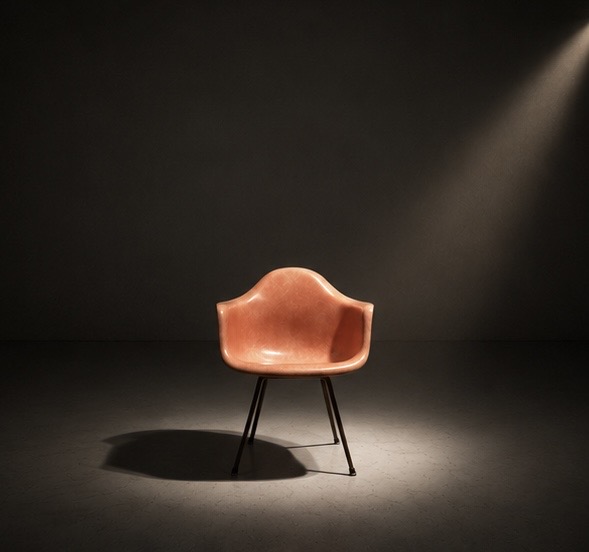
Zenith Arm Shell Chair – Salmon Pink …………… 3
Arm Shell Chairs
Arm Shell Chair …………………………… 2
Side Shell Chairs
Side Shell Chair …………………………… 6
Lounge Chairs
Lounge Chair ……………………………… 1
LCW ……………………………………… 1
LCM ……………………………………… 1 (WOOD+1 , PLASTICS(FABRIC)+1)
Others
Wire Chair ………………………………… 2
Other Preservation Assets ………………… 0
Preservation Index
OM-LS-001
Preservation ID Standard
OM-[Object Code]-[Serial Number]
Serial Number = Sequential number assigned across the OM preservation collection (001, 002, 003…)
日本語:
Serial Number=OM保存コレクション全体における登録順の通し番号
OM Research Documentation Index
22degrees Origin Museum 研究文書総合索引
| Document ID | Collection ID | Object | Document Type | Edition | Publication Date | Language | Access |
|---|---|---|---|---|---|---|---|
| OM-OPR-LS-001 | OM-LS-001 | Eames Leg Splint | Official Preservation Register | Version 2.0 | 2026.08.02 | JP / EN | View |
| OM-ADR-LS-001 | OM-LS-001 | Eames Leg Splint | Acquisition Decision Record | Public Version 1.0 | 2026.08.13 | JP | View |
| OM-APD-LS-001 | OM-LS-001 | Eames Leg Splint | Archival Photographic Documentation | 公開版の版番号 | 2026.08.13 | JP / EN | View |
| OM-ORD-LS-001 | OM-LS-001 | Eames Leg Splint | Object Research Data | 作成中 | — | — | Forthcoming |
OM Preservation Index
Research Documentation Framework
22degrees Origin Museum(OM)
22degrees Origin Museum(OM)は、収蔵資料を単に保存・公開するだけではなく、将来の研究者、大学・研究機関、美術館・博物館、アーカイブ、キュレーター、保存修復研究者、デザイン史・家具史・技術史研究者等が、資料を検索、参照、比較、検証、研究できる状態で長期的に記録することを目的としています。
OMでは、各収蔵資料について、その役割の異なる4つの基本研究資料を整備します。
OPR / ADR / PD / ORD
これらは同一情報を繰り返すための文書ではありません。
「保存記録」「取得判断」「写真による一次資料」「実物から取得した研究データ」という異なる役割を持ち、相互に参照することによって、一つの収蔵資料について第三者が検証可能な研究記録を形成します。
01. Official Preservation Register(OPR)
What is this object?
Official Preservation Register(OPR)は、OMが保存する各収蔵資料について作成する公式保存台帳です。
資料名称、Collection ID、設計者、製造者、推定製造年代、歴史的位置付け、来歴、物理的特徴、保存状態、資料分析、保存方針、写真記録、研究記録、更新履歴等、その時点で確認されている主要情報を統合して記録します。
OPRは、各収蔵資料について「この資料は何であり、現在何が確認されているのか」を確認するための基本的なマスター記録として機能します。
新たな調査結果、保存状態の変化、研究成果等が確認された場合には、過去の記録を保持しながら更新履歴を蓄積します。
Research Keywords
Official Preservation Register / Collection Record / Museum Object / Object Documentation / Provenance / Condition / Conservation / Historical Significance / Material / Manufacturer / Design History / Preservation / Collection Management
02. Acquisition Decision Record(ADR)
Why was this object acquired?
Acquisition Decision Record(ADR)は、OMが特定の資料をなぜ調査し、比較し、取得し、恒久保存対象として選定したのかを記録する取得意思決定記録です。
取得前の研究背景、候補個体の比較調査、確認された資料的特徴、取得時点で利用可能であった情報、取得評価、保存対象として選定した理由、研究上の意義等を記録します。
OPRが「収蔵された資料そのもの」を中心とする記録であるのに対し、ADRは「その資料を取得するに至った研究・比較・判断の過程」を保存するものです。
これにより、将来の研究者は収蔵結果だけではなく、その判断がどのような情報と根拠に基づいて行われたのかを遡って検討することができます。
Research Keywords
Acquisition Decision Record / Acquisition / Acquisition History / Collection Development / Pre-Acquisition Research / Comparative Analysis / Selection Criteria / Provenance Research / Acquisition Rationale / Museum Collection / Research Background
03. Photographic Documentation ( PD )
What can actually be seen?
Photographic Documentationは、OMが保存する実物資料を視覚的に記録した一次資料です。
全景、正面、背面、側面、上面、下面、構造、接合部、素材、表面、刻印、ラベル、製造痕、経年変化、損傷その他の研究上重要な特徴を体系的に撮影・記録します。
写真は可能な限り原資料としての情報を保持し、各画像には識別可能な写真IDを付与します。
Photographic Documentationの目的は、単に資料の外観を紹介することではありません。
研究者が実物に直接アクセスできない場合でも、OMが保存する個体について視覚的証拠を確認し、他個体との比較、刻印・製造特徴の検討、状態確認、将来の経年変化の比較等に利用できる一次視覚資料を提供することを目的とします。
Research Keywords
Photographic Documentation / Object Photography / Museum Object Photography / High-Resolution Images / Object Documentation / Visual Documentation / Detail Photography / Markings / Labels / Inscriptions / Manufacturing Details / Material Surface / Condition Documentation / Conservation Photography / Comparative Research
04. Object Research Data ( ORD )
What can actually be measured and observed?
Object Research Dataは、OMが収蔵する実物資料を直接調査することによって取得した、測定値および観察データを記録する研究資料です。
Dimensions、Measurements、Weight、Material、Construction、Markings、Inscriptions、Manufacturing Evidence、Surface Characteristics、Physical Evidenceその他、実物から直接取得できる研究データを体系的に記録します。
必要に応じて、測定位置、測定方法、使用機器、単位、測定精度、調査日、データの確度等も記録します。
データは可能な限りPhotographic Documentationの写真IDと対応させ、研究者が数値・観察記録から、その根拠となる実物写真へ遡ることができる構造を形成します。
記録にあたっては、情報の性質を可能な限り明確に区別します。
Measured — OMが実物を直接測定したデータ
Observed — OMが実物を直接観察して確認した事項
Reported — 前所有者その他の第三者から提供された情報
Inferred — 観察結果、比較資料その他の証拠から推定された事項
Object Research Dataは、歴史的評価や価値判断を主目的とするものではありません。
第三者の研究者がOMの解釈とは独立して資料を比較・分析・再検討できるよう、実物から取得した基礎研究データを保存・公開することを目的とします。
Research Keywords
Object Research Data / Research Data / Object Data / Measurements / Dimensions / Weight / Material Analysis / Construction / Molded Plywood / Manufacturing Evidence / Manufacturing Characteristics / Markings / Inscriptions / Labels / Surface Characteristics / Physical Evidence / Object Examination / Technical Examination / Comparative Data
Relationship Between the Four Records
OMの4つの基本研究資料は、次の異なる問いに対応します。
Official Preservation Register
What is this object?
― この資料は何であり、現在何が確認されているのか。
Acquisition Decision Record
Why was this object acquired?
― なぜOMはこの個体を取得・保存したのか。
Photographic Documentation
What can actually be seen?
― 実物には何が存在し、実際にどのように見えるのか。
Object Research Data
What can actually be measured and observed?
― 実物から何を測定・観察できるのか。
これら4つの資料を相互に関連付けることによって、OMは単一の説明文書ではなく、保存記録、意思決定記録、視覚的証拠、実測・観察データから構成される研究資料群を形成します。
Research Publications
OMでは、すべての収蔵資料について研究論文を作成することを必須とはしません。
比較研究、技術研究、製造仕様研究、来歴研究その他の調査によって、新たな知見または研究上重要な仮説が形成された場合には、必要に応じて Research Paper または Comparative Study として独立した研究成果を公開します。
したがってOMの研究資料体系は、
Official Preservation Register
+ Acquisition Decision Record
+ Photographic Documentation
+ Object Research Data
を基本構造とし、
Research Paper / Comparative Study
を研究成果の発生に応じて追加する構造とします。
Research Principle
OMが重視するのは、文書の数ではありません。
実物資料を保存する機関だからこそ取得できる、写真、実測値、刻印、ラベル、構造、素材、表面、製造痕、経年変化、来歴その他の一次情報を、将来にわたって第三者が検索、参照、比較、検証、引用できる状態で記録することを重視します。
OMは、収蔵資料についての解釈を提示すると同時に、その解釈の根拠となる一次資料と研究データへのアクセスを可能にすることによって、Eamesおよび20世紀デザイン史に関する長期的な研究資料の形成を目指します。
22degrees Origin Museum(OM)
© 2026 22degrees. All Rights Reserved.
OM Preservation Index
Research Documentation Framework
22degrees Origin Museum (OM)
22degrees Origin Museum (OM) is dedicated not only to preserving and publishing objects in its collection, but also to documenting them over the long term in forms that can be searched, referenced, compared, verified, and studied by future researchers, universities and research institutions, museums, archives, curators, conservation professionals, and scholars of design history, furniture history, technological history, and related fields.
For each object in the collection, OM establishes four fundamental categories of research documentation, each serving a distinct purpose.
These documents are not intended to repeat the same information.
They address four different dimensions of documentation: preservation records, acquisition decisions, primary photographic evidence, and research data obtained directly from the physical object.
Together, they form an interconnected and independently verifiable research record for each object preserved by OM.
⸻
01. Official Preservation Register (OPR)
What is this object?
The Official Preservation Register (OPR) is the principal preservation record established by OM for each object in its collection.
It integrates the primary information confirmed at the time of documentation, including object name, Collection ID, designer, manufacturer, estimated production period, historical context and significance, provenance, physical characteristics, condition, object analysis, preservation policy, photographic records, research notes, and revision history.
The OPR functions as the principal master record for determining what the object is and what is currently known and documented about it.
When new research findings, changes in condition, or other significant information become available, they may be incorporated while maintaining the historical record of previous documentation and revisions.
Research Keywords
Official Preservation Register / Collection Record / Museum Object / Object Documentation / Provenance / Condition / Conservation / Historical Significance / Material / Manufacturer / Design History / Preservation / Collection Management
⸻
02. Acquisition Decision Record (ADR)
Why was this object acquired?
The Acquisition Decision Record (ADR) documents why OM investigated, compared, acquired, and selected a particular object for long-term preservation.
It records the research background preceding acquisition, comparative investigation of candidate objects, documented characteristics, information available at the time of acquisition, acquisition assessment, reasons for selection, and the object’s potential research significance.
While the OPR focuses primarily on the preserved object itself, the ADR preserves the process of research, comparison, evaluation, and decision-making that led to its acquisition.
This allows future researchers to examine not only the resulting collection but also the evidence and reasoning upon which the acquisition decision was based.
Research Keywords
Acquisition Decision Record / Acquisition / Acquisition History / Collection Development / Pre-Acquisition Research / Comparative Analysis / Selection Criteria / Provenance Research / Acquisition Rationale / Museum Collection / Research Background
⸻
03. Photographic Documentation
What can actually be seen?
Photographic Documentation constitutes primary visual documentation of the physical objects preserved by OM.
Objects are systematically photographed to document overall views, front and rear views, profiles, upper and lower surfaces, construction, joints, materials, surfaces, markings, labels, inscriptions, manufacturing evidence, aging characteristics, damage, and other features relevant to research.
Photographs are preserved, as far as practicable, in a form that retains the information contained in the original photographic record, and each image is assigned an identifiable photographic ID.
The purpose of Photographic Documentation is not merely to illustrate the appearance of an object.
It is intended to provide primary visual evidence that enables researchers to examine an OM object even when direct physical access is not possible.
These records may support comparative analysis with other surviving examples, examination of markings and manufacturing characteristics, assessment of physical condition, and future comparison of changes occurring over time.
Research Keywords
Photographic Documentation / Object Photography / Museum Object Photography / High-Resolution Images / Object Documentation / Visual Documentation / Detail Photography / Markings / Labels / Inscriptions / Manufacturing Details / Material Surface / Condition Documentation / Conservation Photography / Comparative Research
⸻
04. Object Research Data
What can actually be measured and observed?
Object Research Data documents measurements and observational data obtained through direct examination of physical objects preserved by OM.
It systematically records research data obtainable directly from the object, including Dimensions, Measurements, Weight, Material, Construction, Markings, Inscriptions, Manufacturing Evidence, Surface Characteristics, Physical Evidence, and other relevant characteristics.
Where appropriate, documentation may also include measurement locations, measurement methods, instruments used, units, measurement precision, examination dates, and the level of certainty associated with individual data points.
Whenever possible, Object Research Data is linked to photographic IDs within the Photographic Documentation, allowing researchers to trace numerical or observational data back to the corresponding visual evidence.
The nature of recorded information is distinguished as clearly as possible:
Measured — Data obtained through direct measurement of the physical object by OM.
Observed — Features directly observed and documented through examination of the physical object by OM.
Reported — Information provided by a previous owner or another third party.
Inferred — Information inferred from physical observations, comparative material, documentary sources, or other evidence.
Object Research Data is not primarily intended to provide historical evaluation or judgments of significance.
Its purpose is to preserve and publish fundamental research data obtained from the physical object so that independent researchers can compare, analyze, verify, and reconsider the evidence independently of OM’s own interpretations.
Research Keywords
Object Research Data / Research Data / Object Data / Measurements / Dimensions / Weight / Material Analysis / Construction / Molded Plywood / Manufacturing Evidence / Manufacturing Characteristics / Markings / Inscriptions / Labels / Surface Characteristics / Physical Evidence / Object Examination / Technical Examination / Comparative Data
⸻
Relationship Between the Four Records
The four fundamental categories of OM research documentation address four distinct questions:
Official Preservation Register
What is this object?
— What is the object, and what is currently known and documented about it?
Acquisition Decision Record
Why was this object acquired?
— Why did OM acquire and preserve this particular object?
Photographic Documentation
What can actually be seen?
— What physical evidence is present, and what can actually be seen on the object?
Object Research Data
What can actually be measured and observed?
— What can be directly measured and observed from the physical object?
By interconnecting these four categories of documentation, OM seeks to create not a single descriptive document, but a research record composed of preservation documentation, acquisition decision records, visual evidence, and measured and observed data.
⸻
Research Publications
OM does not require a research paper to be produced for every object in the collection.
When comparative research, technical investigation, manufacturing studies, provenance research, or other forms of investigation generate new findings or research-significant hypotheses, OM may publish the results independently as a Research Paper or Comparative Study.
The fundamental OM research documentation structure therefore consists of:
Official Preservation Register
- Acquisition Decision Record
- Photographic Documentation
- Object Research Data
with
Research Paper / Comparative Study
added when substantive research findings warrant independent publication.
⸻
Research Principle
The value of the OM research archive is not determined by the number of documents it contains.
OM gives priority to recording primary information that can be obtained because the museum preserves and directly examines physical objects: photographs, measurements, markings, labels, construction, materials, surfaces, manufacturing evidence, aging characteristics, provenance, and other forms of object-based evidence.
The objective is to preserve such information in a form that can be searched, referenced, compared, verified, and cited by third parties over the long term.
OM seeks not only to present interpretations of the objects in its collection, but also to provide access to the primary documentation and research data upon which those interpretations are based.
Through this approach, 22degrees Origin Museum aims to develop a long-term research resource contributing to the study of Eames and twentieth-century design history.
22degrees Origin Museum (OM)
© 2026 22degrees. All Rights Reserved.
OM Preservation Index
This index serves as the master navigation for the collection of OM (22degrees Origin Museum).
All preservation assets are organized by category, allowing the collection to grow while maintaining a clear and consistent structure.
Each preserved object is assigned its own permanent record and is archived as part of the museum’s long-term preservation project.
OM is an independent archive and preservation project focusing on original works by Charles and Ray Eames.
日本語
OM Preservation Index
このインデックスは、OM(22degrees Origin Museum)の収蔵コレクション全体を案内するマスターインデックスです。
すべての保存資料はカテゴリーごとに整理され、コレクションの増加に対応しながら、一貫した構造で管理されます。
各保存個体には固有の記録が作成され、OMの長期保存プロジェクトの一部として収蔵・記録されます。
OMは、Charles and Ray Eamesのオリジナル作品を中心に保存・研究を行う独立したアーカイブおよび保存プロジェクトです。
OM Preservation Index
ID Standard
Effective Date: 2026-07-11
To maintain a clear, consistent, and long-term archival system, every preserved object within OM (22degrees Origin Museum) is assigned a unique Collection ID.
Collection IDs follow the format below.
OM-[Object Code]-[Serial Number]
ID Structure
- OM = Origin Museum
- Object Code = Object category code
- Serial Number = Sequential number within each category (001, 002, 003…)
Examples
OM-LS-001
Leg Splint No.001
OM-ZAS-001
Zenith Arm Shell Chair No.001
OM-ASC-001
Arm Shell Chair No.001
OM-ASC-002
Arm Shell Chair No.002
OM-SSC-001
Side Shell Chair No.001
OM-WC-001
Wire Chair No.001
OM-LCW-001
LCW No.001
OM-DCW-001
DCW No.001
OM-LCO-001
Lounge Chair & Ottoman No.001
Collection Management Policy
The Collection ID is the official identification number assigned to each preserved object.
The same Collection ID is used consistently across all museum records, including:
- Public Collection Pages
- Official Collection Register
- Preservation Records
- Photography Archive
- Research Documents
- Restoration Records
- Related Museum Assets
This unified Collection ID system ensures that every preserved object can be consistently documented, preserved, researched, exhibited, and archived throughout its lifetime within OM (22degrees Origin Museum).
Independent Status
OM (22degrees Origin Museum) is an independent archive, research, and preservation project operated by 22degrees.
OM is not affiliated with, sponsored by, or endorsed by the Eames Foundation, Eames Office, Eames Institute, MillerKnoll, Herman Miller, or Vitra.
All trademarks, trade names, and related rights remain the property of their respective owners.
独立性に関する表示
OM(22degrees Origin Museum)は、22degreesが独立して運営するアーカイブ、研究および保存プロジェクトです。
OMは、Eames Foundation、Eames Office、Eames Institute、MillerKnoll、Herman Miller、Vitraとは提携関係になく、これらの組織による後援、承認または公式認定を受けたプロジェクトではありません。
各商標、名称および関連する権利は、それぞれの権利者に帰属します。
© 2026 22degrees. All Rights Reserved.