Furniture Archive
Furniture Archive
This archive explores furniture as a medium of human experience within the 22degrees Digital Museum.
Furniture is not viewed merely as an object, a collectible, or a design product.
It is examined as a Human Experience Device that influences how people sit, think, rest, communicate, create, and experience space.
Each object is observed through its material, structure, aging process, craftsmanship, design philosophy, and relationship to the surrounding environment.
Particular attention is given to how furniture shapes the perception of comfort, time, space, memory, and emotional attachment.
The archive investigates why certain objects remain meaningful across generations and how materials, design decisions, and human experiences become connected over time.
Furniture is therefore studied not only as a physical artifact, but as a cultural asset that exists at the intersection of Material, Space, Time, and Human Experience.
Objects in this archive are not treated as static collections.
They are active research nodes that generate new observations, relationships, and insights.
Furniture Archive
Current Research Focus
Eames Molded Fiberglass Arm Shell Chair
ID 22-FA-EAS-001
photo
SONG TITLE:
Zenith Plastics Production
Early 1950s
Early Salmon Color
Rope Edge Model
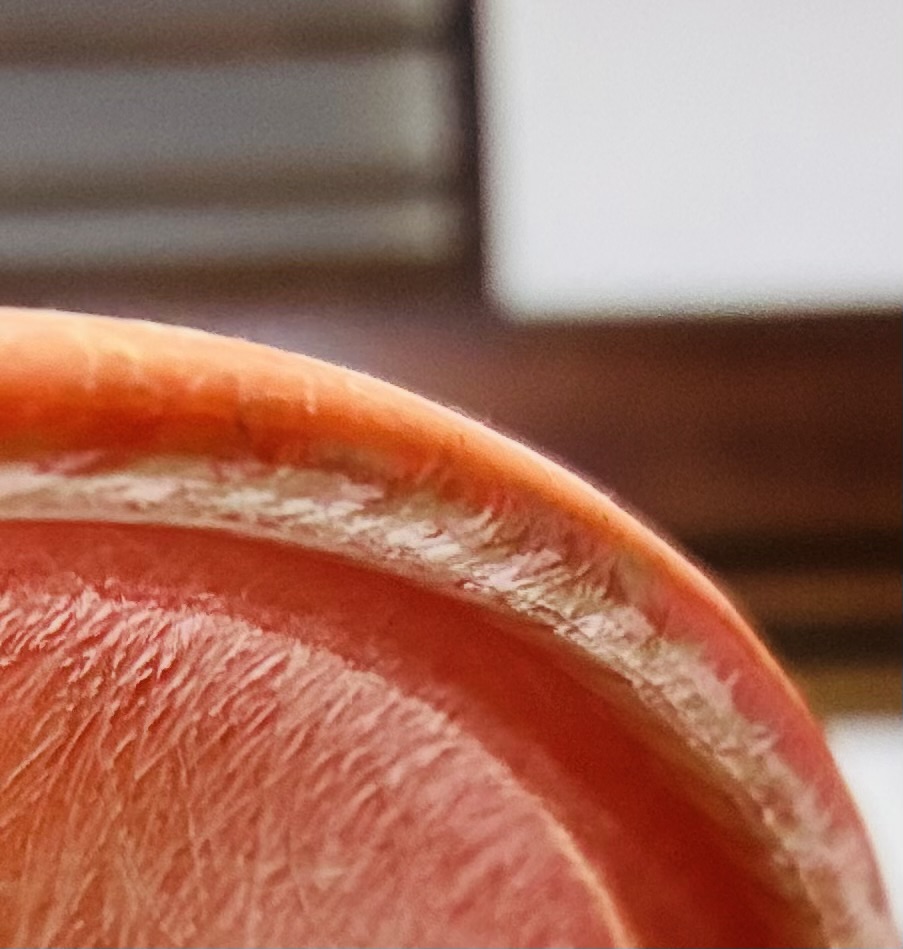
The first object documented within the Furniture Archive is an early Eames Molded Fiberglass Arm Shell Chair produced by Zenith Plastics during the early 1950s.
Created during the formative years of molded fiberglass furniture production, the chair represents one of the earliest periods in the history of industrial fiberglass design.
More than seventy years later, it remains a valuable record of material experimentation, manufacturing innovation, and the evolving relationship between furniture and human experience.
This object serves not only as the first archived chair within the collection, but also as a foundational research object for understanding the relationship between Material, Space, Time, Design, Preservation, and Human Experience.
The chair retains several characteristics associated with early production examples, including a Zenith label, rope edge construction, and a highly expressive fiberglass shell.
Particular attention is given to the fiberglass itself.
The shell reveals dense layers of glass fibers distributed throughout the surface, creating visual depth and complexity that continuously change depending on viewing angle, light conditions, time of day, and surrounding space.
Unlike many modern materials that conceal their internal structure, early fiberglass openly reveals the relationship between material and form.
The glass fibers remain visible beneath the resin, producing reflection, translucency, texture, and subtle variations that cannot be fully captured through photographs alone.
The object therefore functions not only as furniture, but also as a physical record of early composite material technology.
Produced during the early 1950s, this chair belongs to a period when fiberglass technology was still in its developmental stage and manufacturers were actively exploring new possibilities for mass-produced design.
As a result, the object provides a rare opportunity to observe how early composite materials, industrial production methods, and modern design philosophy converged during a pivotal moment in twentieth-century design history.
Particular interest is also given to the early Salmon color.
The color is studied not merely as a visual finish, but as an interaction between pigment, fiberglass, resin, light, aging, and human perception.
Its appearance changes significantly throughout the day.
Under some conditions it appears vibrant and luminous.
Under others it becomes soft, muted, and atmospheric.
The relationship between color, light, material, and emotional response forms an important area of ongoing research.
Within the Furniture Archive, aging is treated as a source of information rather than deterioration.
Changes such as surface wear, exposed fibers, subtle whitening, shifts in gloss, and accumulated traces of use are observed as evidence of material transformation across decades.
These characteristics document the object’s life history and reveal how materials continue to evolve long after production has ended.
The rope edge construction is examined as both a structural and historical feature.
It represents an early stage in fiberglass manufacturing and provides valuable insight into production methods, craftsmanship, and material development during the formative years of molded fiberglass furniture.
This object is not treated merely as furniture.
It is examined as a record of industrial innovation, material experimentation, preservation, design philosophy, and long-term human attachment.
The chair occupies a unique position between furniture, industrial design, material culture, and cultural heritage.
One of the central questions explored through this object is why certain chairs continue to remain meaningful for more than seventy years.
The research investigates whether this longevity emerges from comfort, form, material quality, craftsmanship, visual richness, emotional memory, historical significance, or a combination of all these factors.
The chair is therefore studied as a Human Experience Device.
It influences how people sit, observe, rest, think, remember, communicate, and interact with space.
The object becomes a point of connection between the physical environment and individual perception.
Within the broader framework of the 22degrees Digital Museum, this chair functions as a foundational research node linking Furniture Archive, Material Archive, Architecture Archive, Research Archive, and Creative Archive.
Through continuous observation over time, the object contributes to a larger investigation into how materials, objects, environments, memory, and human experiences become interconnected.
Research Themes
Fiberglass Material Research
Early Composite Technology
Rope Edge Construction
Material Aging
Preservation
Design Longevity
Furniture and Space
Furniture and Light
Furniture and Memory
Furniture and Human Experience
Emotional Attachment to Objects
Cultural Assets and Design Heritage
Why Certain Objects Remain Meaningful Across Generations
It is also regarded as an important preservation object and cultural asset within the Furniture Archive, maintained as a long-term reference for research, observation, and future generations.
1950年代初頭にZenith Plasticsで製造されたこのサーモンカラーのロープエッジ・アームシェルチェアは、Furniture Archiveの第1号資料であり、22degrees Digital Museumにおける家具研究の出発点である。
この椅子は単なる家具ではない。初期FRP(ガラス繊維強化プラスチック)技術の現存資料であり、
素材研究、
デザイン研究、
保存研究、
経年変化研究、
人間体験研究、
を同時に行うための研究対象である。
この個体には、
- Zenithラベル
- Rope Edge
- 初期サーモンカラー
- 強く見えるガラス繊維
- 美しい艶
- 光による表情変化
が残されている。
ガラス繊維は樹脂の内部に見え隠れし、
朝・昼・夕方、
また見る角度によって全く異なる表情を見せる。
この変化は写真だけでは完全には伝わらず、
実物を見ることで初めて理解できる特徴である。
また、
白化、
繊維露出、
表面摩耗、
艶の変化、
といった経年変化は劣化ではなく、
70年以上の時間が刻まれた記録として観察する。
Furniture Archiveでは、
「なぜある椅子は70年以上経っても人を惹きつけ続けるのか」
という問いを研究する。
その理由は、
- 座り心地なのか
- 形なのか
- 素材なのか
- 光なのか
- 記憶なのか
- 歴史なのか
それともそれら全ての組み合わせなのかを探求する。
この椅子は、
Material Archive
Architecture Archive
Research Archive
Creative Archive
をつなぐ中心的な研究資料であり、
Material(素材)
Space(空間)
Time(時間)
Human Experience(人間体験)
の交差点として位置付けられる。
つまり、
Furniture Archive 第1号資料であるこのサーモンのZenithロープエッジは、「椅子」ではなく、「時間と人間体験を記録した文化資産」であり、かつ重要な保存管理個体であると考えている。
THINKING ABOUT NEXT FLOW THINGS AT 03062026
① Furniture Archive Overview
↓
② Why Furniture Matters
↓
③ Current Research Focus
↓
④ Archive Objects
ID-22-FA-001
Title
Eames Location Study 001
Edo Period Passage
Subtitle
A Location Study Before Installation
Description
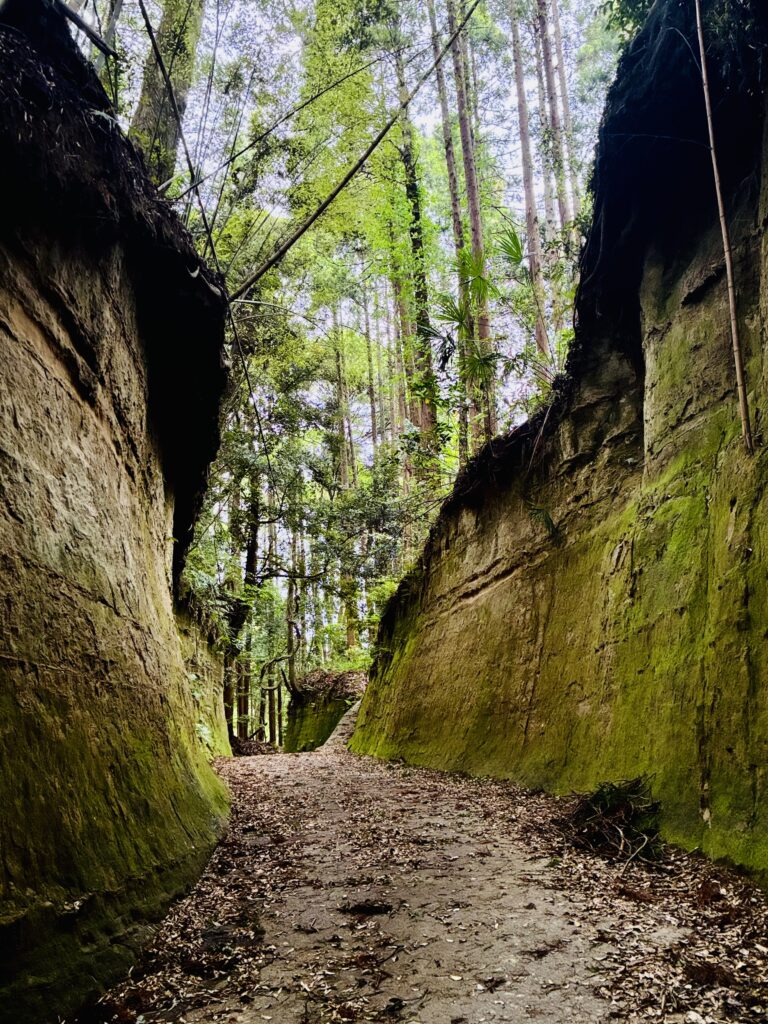
This record documents a location study conducted prior to the installation of an Eames Arm Shell Chair.
The site is an old passage carved through the earth, believed to have originated during the Edo period. Over many decades, nature has gradually reclaimed the cut walls, covering them with moss, roots, and layers of time.
This study explores the possibility of placing a mid-century industrial design object within a historical landscape shaped by both human activity and natural processes.
The purpose is not merely to photograph a chair, but to observe how different eras, materials, values, and cultural contexts may coexist within a single frame.
The installation has not yet taken place.
This record serves as the starting point for a future observation project examining the relationship between design, nature, history, and human perception.
Location Study
June 2026
Related Assets
Furniture Archive
・Eames Arm Shell Chair
Nature Archive
・Forest Landscape
Research Archive
・Time and Design
・Landscape Observation
──────────────────
ID-22-FA-001
タイトル
イームズ・ロケーションスタディ 001
江戸時代の切り通し
サブタイトル
設置前ロケーション調査
説明
本記録は、イームズ・アームシェルチェア設置前に行われたロケーション調査の記録である。
この場所は江戸時代に掘削されたと伝えられる切り通しであり、長い年月の中で自然が再びその空間へ入り込み、苔、樹木、根、風化した地層が独特の景観を形成している。
本調査は、ミッドセンチュリー期を代表する工業デザインを、この歴史的な自然空間に配置した場合にどのような関係性が生まれるのかを観察するための事前研究として実施された。
目的は単なる家具撮影ではなく、異なる時代、素材、文化、価値観が一枚の風景の中でどのように共存するのかを観察することである。
現時点では椅子の設置は行われていない。
本記録は、今後行われるデザイン・自然・歴史・人間の知覚に関する観察プロジェクトの出発点となるものである。
Location Study
2026年6月
Related Assets
Furniture Archive
・Eames Arm Shell Chair
Nature Archive
・Forest Landscape
Research Archive
・Time and Design
・Landscape Observation
Current Research Focus: