フィンガーライムの収穫と販売開始
Agricultural Design|2026年10月
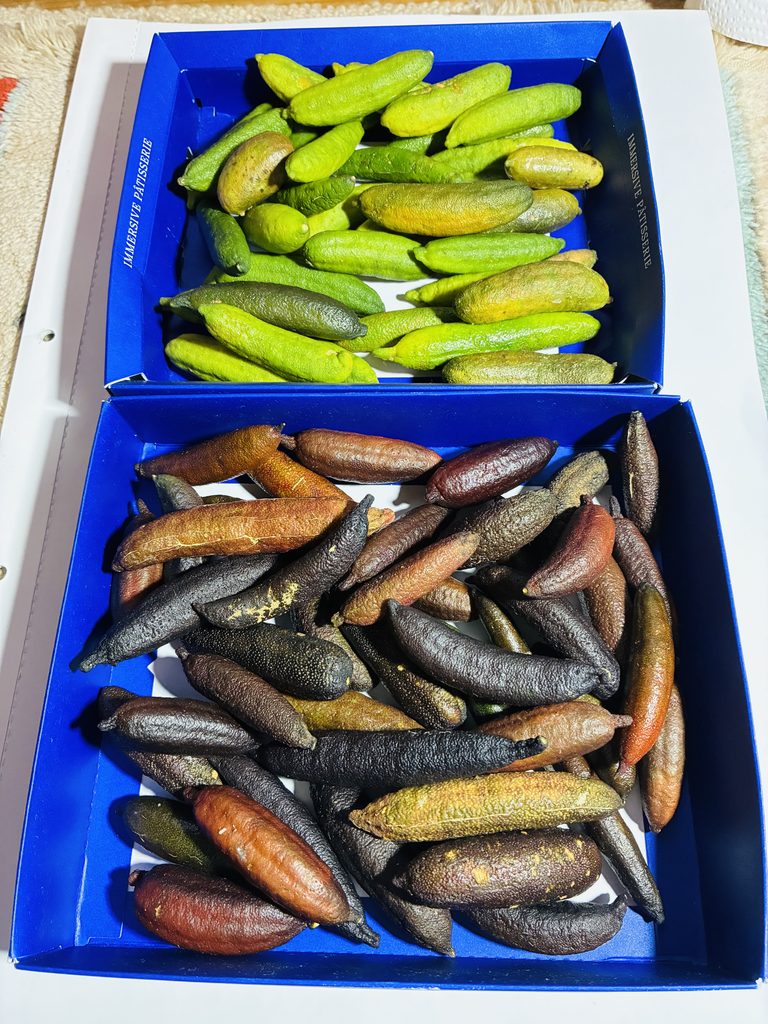
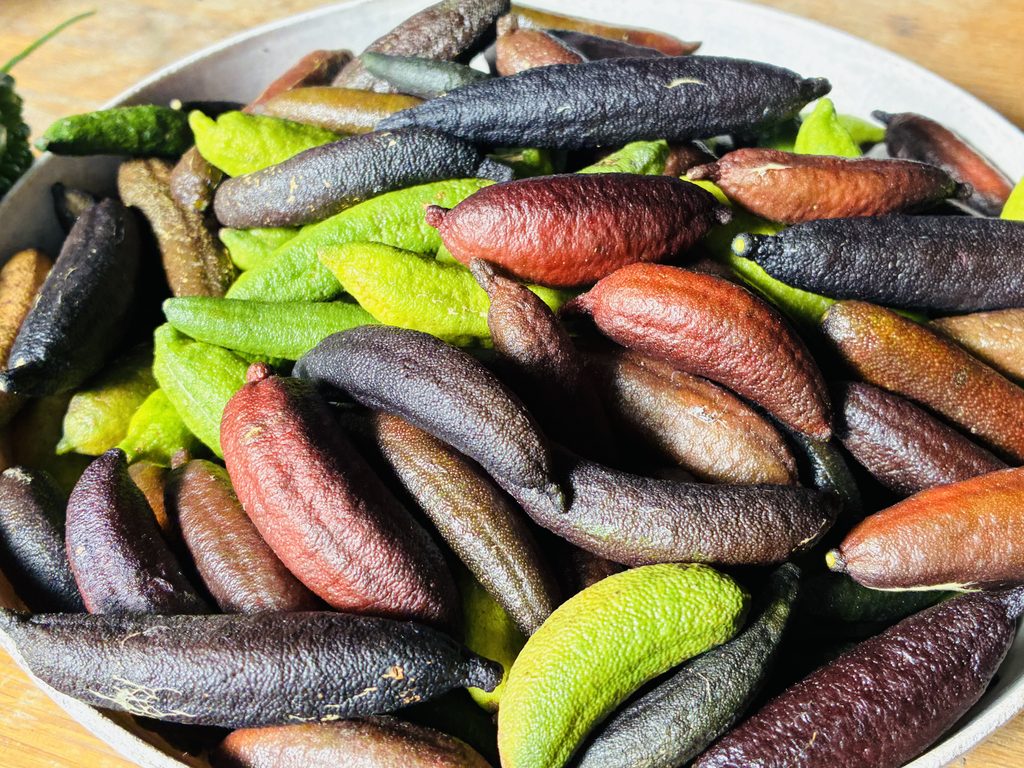
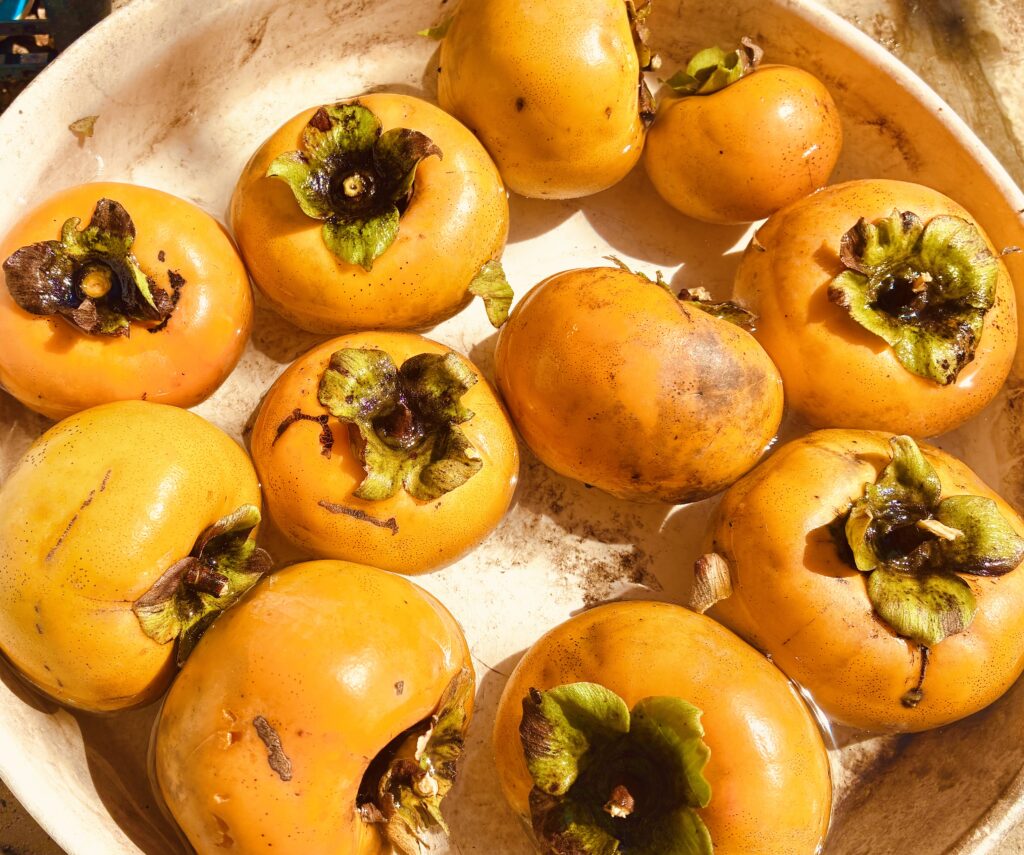
2026年秋、約1年間にわたり育ててきたフィンガーライムが収穫期を迎え、今年から果実の販売を開始しました。
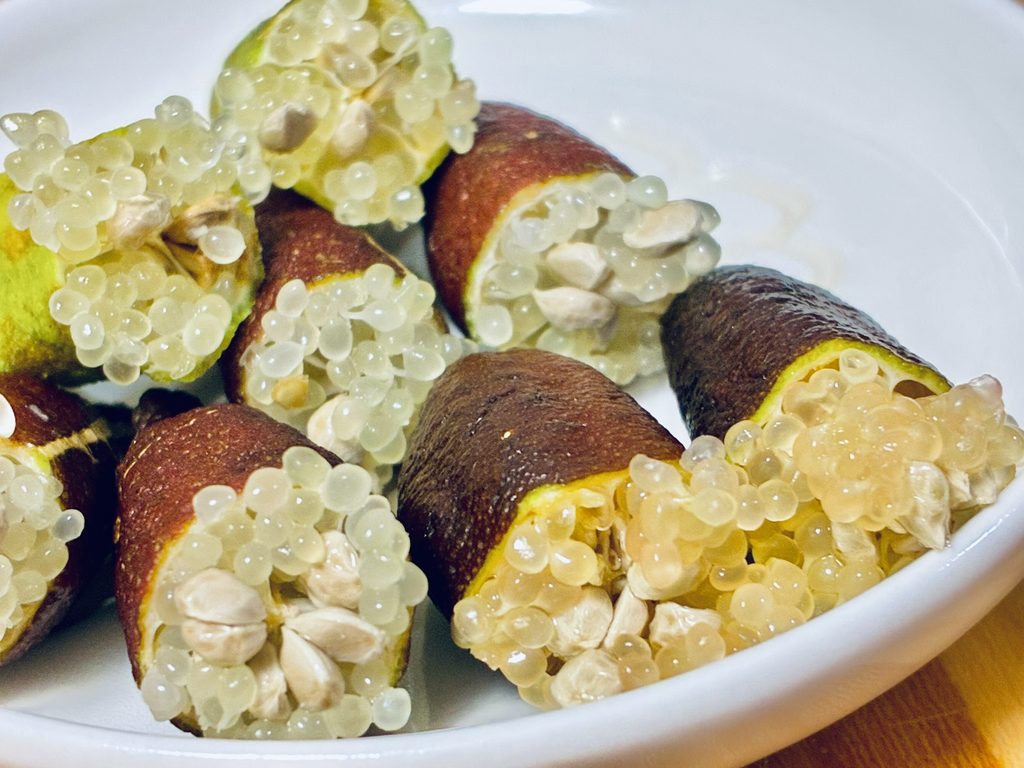
現在、約18品種のフィンガーライムを、それぞれ1品種につき1本ずつ栽培しています。品種ごとに果実の色や形、風味、生育特性が異なり、栽培方法についても日々観察と試行錯誤を重ねています。
栽培を始めてまだ数年ですが、幸いにもこれまで1本も枯れることなく、すべての品種が成長を続けています。
秋になると、多くの品種がほぼ同じ時期に収穫期を迎え、果実が次々と成熟していきます。
昨年までは収穫した果実を自家消費していましたが、今年は収穫量が増え、自家消費だけでは使い切れないこともあり、フリマアプリ「メルカリ」を通じた販売を始めました。
おかげさまで販売は順調に進んでいます。
一方で、フィンガーライムを出品する生産者や販売者も少なくありません。販売価格、内容量、写真による果実の魅力の伝え方など、購入する方にとって分かりやすく、魅力のある商品となるよう工夫を重ねています。
栽培だけでなく、収穫、品質管理、商品づくり、価格設定、販売までを自ら経験することで、農産物の生産と流通について新たな学びが生まれています。
まだ小規模で、試行錯誤の続くフィンガーライム栽培ですが、今年の収穫と販売で得られる経験を、来年以降の栽培と品質向上につなげていきたいと考えています。
22degrees
Agricultural Design
Chiba, Japan
© 2026 22degrees. All Rights Reserved.
Finger Lime Harvest and the Start of Sales
Agricultural Design | October 2026
In autumn 2026, our finger limes, carefully cultivated throughout the year, finally reached harvest season. This year, we began selling the harvested fruit for the first time.
We currently grow approximately 18 different varieties of finger lime, with one tree representing each variety. Every variety has its own characteristics, including differences in fruit color, shape, flavor, and growth patterns. We continue to observe these differences closely, learning and refining our cultivation methods through ongoing experimentation.
Although we have only been growing finger limes for a few years, all of our trees have survived and continue to grow successfully.
During autumn, many varieties reach harvest season at approximately the same time, with their fruit ripening in relatively quick succession.
Until last year, we used the harvested fruit for personal consumption. This year, however, as production increased beyond what we could reasonably consume ourselves, we decided to begin selling our finger limes through Mercari, a Japanese online marketplace.
Fortunately, sales have been progressing steadily.
At the same time, there are many other growers and sellers offering finger limes. We are therefore exploring different approaches to pricing, package quantities, product photography, and presentation to communicate the unique qualities of the fruit and make our offerings more attractive and accessible to customers.
Through this experience, we are learning not only about cultivation but also about harvesting, quality control, product development, pricing, and direct-to-consumer sales.
By managing the entire process ourselves, from growing the trees to delivering the harvested fruit to customers, we are gaining valuable practical insights into agricultural production and distribution.
Our finger lime cultivation remains a small-scale endeavor, and there is still much to learn. Nevertheless, this year’s harvest and first sales represent an important step forward.
We hope to apply the knowledge and experience gained this season to improving our cultivation practices, fruit quality, and future harvests.
22degrees
Agricultural Design
Chiba, Japan
© 2026 22degrees. All Rights Reserved.
赤玉ねぎの定植に向けた畑の整備
Agricultural Design|2026年10月21日
2026年10月4日、毎年栽培している赤玉ねぎの定植に向けて、畑の整備を行いました。
9月12日に播種した赤玉ねぎは現在育苗中で、11月10日前後からの定植を予定しています。
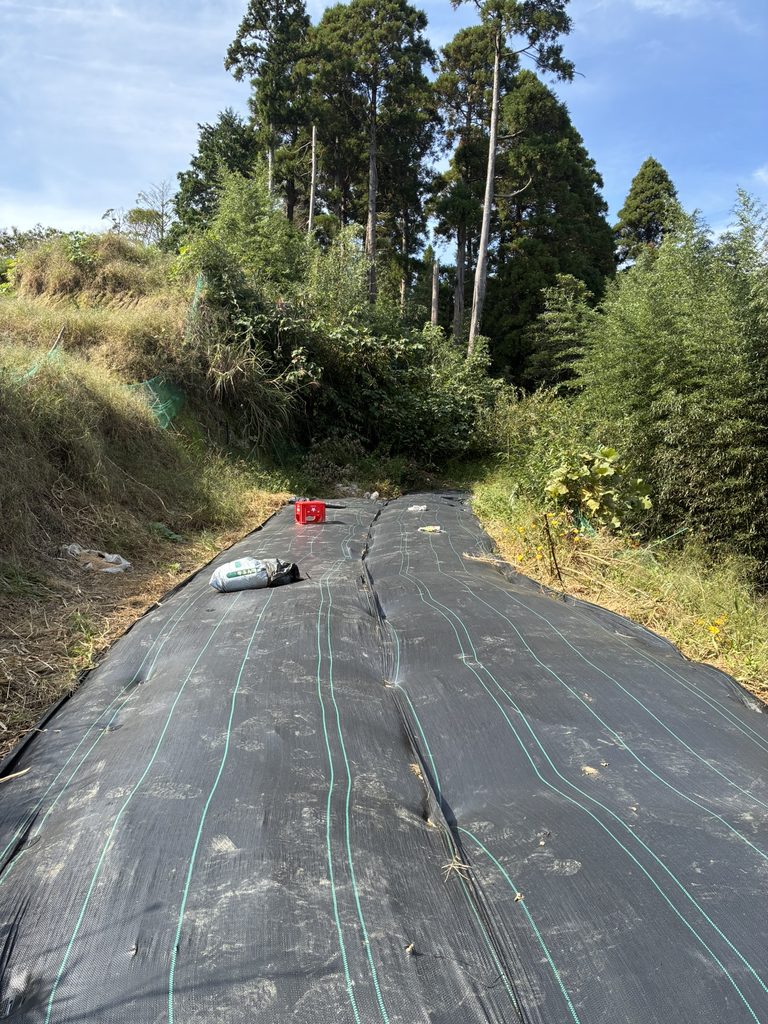
今回整備した畑は、雑草が生い茂っていた場所です。体調不良などもあり、当初の予定より作業が遅れましたが、雑草を刈り、畑全体に黒色の防草シートを敷設しました。
今回採用したのは、太陽光による地表面の温度上昇と遮光効果を利用して、雑草の生育を抑制する方法です。
除草剤に頼らず、シートの下で雑草を枯らし、残った植物体を土壌中で徐々に分解させることで、有機物として土に還すことを目指しています。
シートの敷設から約3週間を一つの目安としていますが、雑草の枯死や分解の進み方は、気温や日照、土壌水分などによって異なります。
10月上旬は曇りの日が多かったものの、その後は晴れて暖かい日も増えたため、一定の効果を期待しています。
十分な期間を確保するため、防草シートは10月末まで敷設したままとし、11月初旬に取り外して土壌の状態を確認する予定です。
その後、11月1日から10日頃にかけて、石灰資材や肥料の施用、耕運機による土づくり、畝立て、ビニールマルチの設置を進めます。
そして、11月10日前後から赤玉ねぎの苗を順次定植し、冬を越して2027年6月の収穫を目指します。
赤玉ねぎの栽培は、前年の経験を踏まえ、今年は苗づくりから畑の準備まで自分たちで進めています。
11月は作業が集中する時期になりますが、一つひとつの工程を丁寧に進め、より充実した赤玉ねぎの収穫につなげていきたいと考えています。
栽培・作業記録
- 播種:2026年9月12日
- 畑の整備・防草シート敷設:2026年10月4日
- 現在の状況:育苗中・防草シートによる雑草抑制
- 防草シート撤去予定:2026年10月末〜11月初旬
- 土づくり・施肥・耕運・マルチ設置:2026年11月1日〜10日
- 定植予定:2026年11月10日前後から
- 収穫予定:2027年6月
22degrees
Agricultural Design
Chiba, Japan
© 2026 22degrees. All Rights Reserved.
Field Preparation for Red Onion Transplanting
Agricultural Design | October 21, 2026
On October 4, 2026, we began preparing the field for transplanting our red onions, which we cultivate every year.
The red onion seeds sown on September 12 are currently growing in seedling trays, with transplanting scheduled to begin around November 10.
The field had become heavily overgrown with weeds. Although the preparation work was delayed due to health-related circumstances, we cleared the vegetation and covered the field with black weed-control fabric.
This year, we are using a natural approach that combines sunlight-induced warming of the soil surface with the light-blocking properties of the fabric to suppress weed growth.
Rather than relying on herbicides, our aim is to allow the weeds beneath the covering to die and gradually decompose, eventually returning organic matter to the soil.
We are using approximately three weeks as an initial guideline, although the rate of weed dieback and decomposition depends on temperature, sunlight, soil moisture, and other environmental conditions.
The beginning of October was relatively cloudy, but recent days have brought more sunshine and warmer temperatures. We therefore expect the treatment to have had a positive effect.
To allow sufficient time, we plan to leave the weed-control fabric in place until the end of October and remove it in early November to inspect the soil conditions.
Between November 1 and 10, we plan to proceed with soil preparation, including the application of lime where needed and appropriate fertilizers, cultivation with a rotary tiller, preparation of planting beds, and installation of plastic mulch.
Transplanting is scheduled to begin around November 10, with the goal of overwintering the plants successfully and harvesting the red onions in June 2027.
Drawing on lessons learned from previous growing seasons, we are managing the entire process ourselves this year, from raising seedlings to preparing the field.
November will be a particularly busy period, but we intend to carry out each stage carefully and apply our experience toward producing healthier plants and a better red onion harvest.
Cultivation and Field Preparation Record
- Seed Sowing: September 12, 2026
- Field Preparation and Weed-Control Fabric Installation: October 4, 2026
- Current Status: Seedling cultivation and weed suppression under black fabric
- Planned Fabric Removal: Late October to early November 2026
- Soil Preparation, Fertilization, Tilling, and Mulching: November 1–10, 2026
- Planned Transplanting: Beginning around November 10, 2026
- Expected Harvest: June 2027
22degrees
Agricultural Design
Chiba, Japan
© 2026 22degrees. All Rights Reserved.
20261012
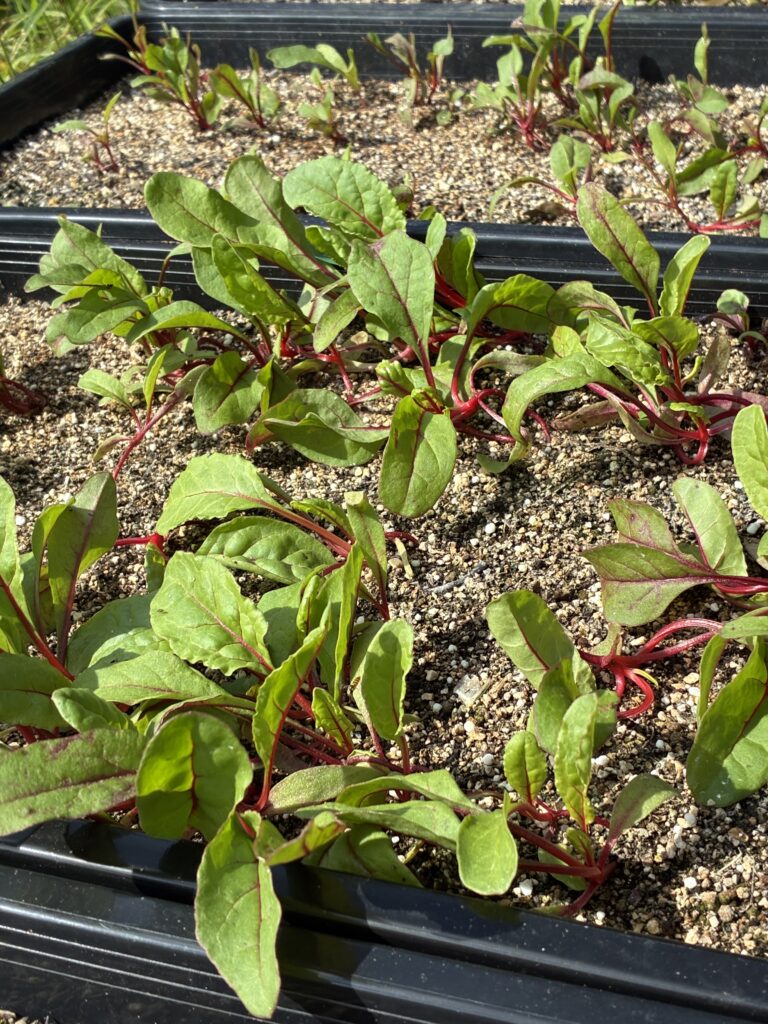
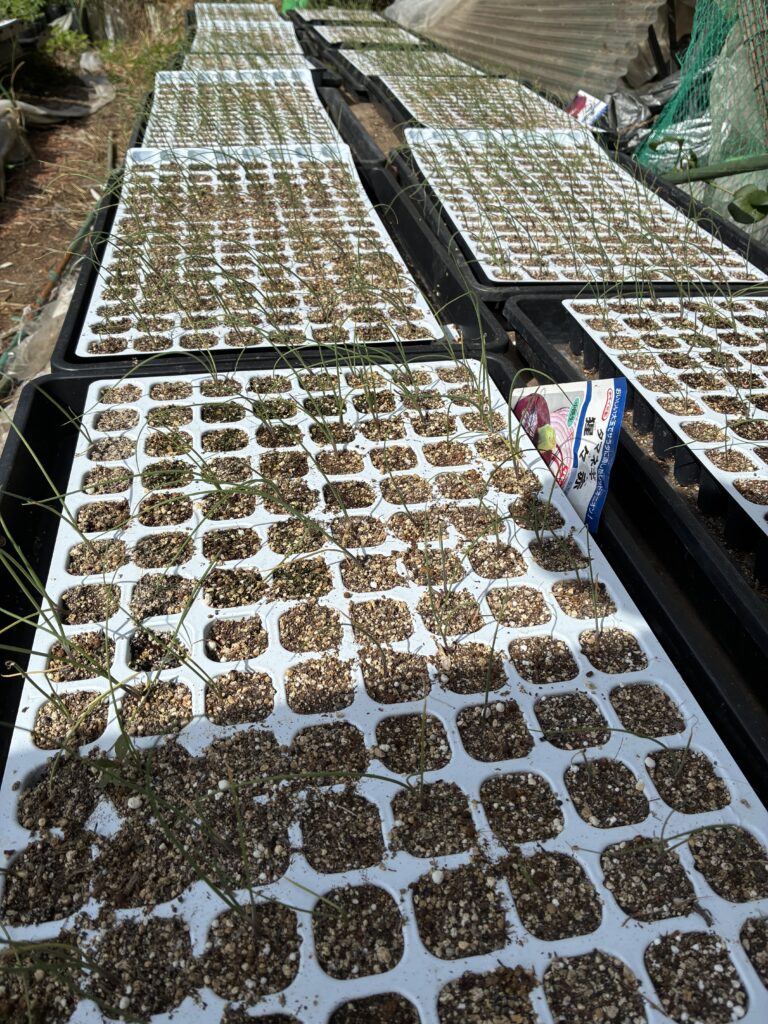
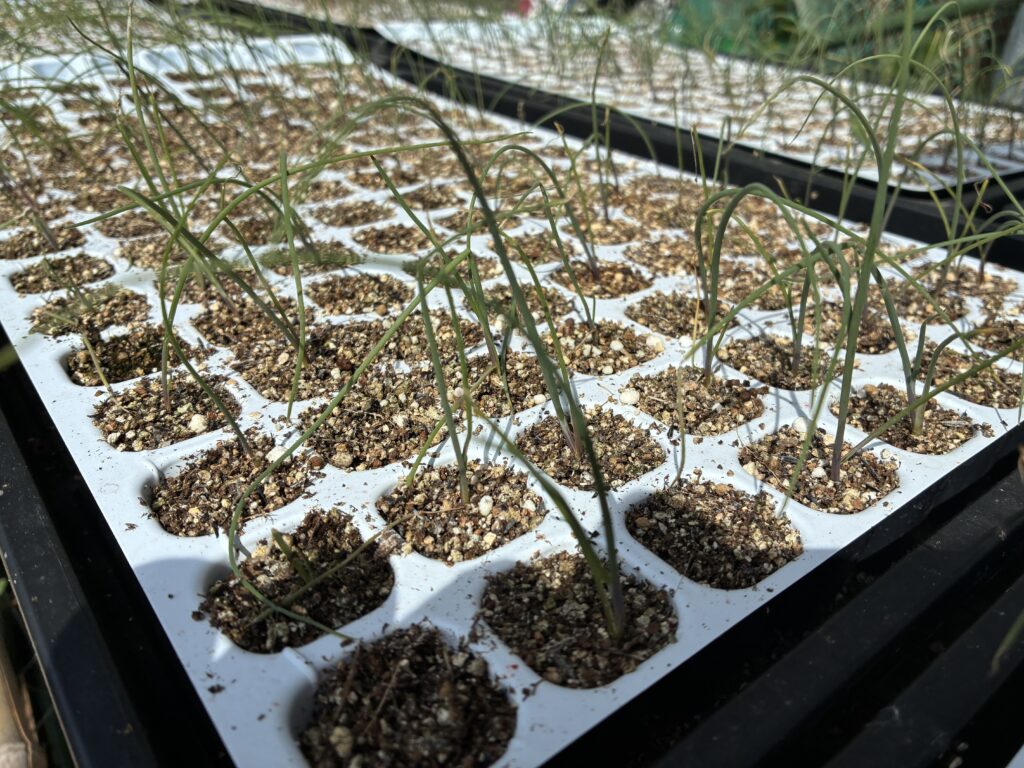
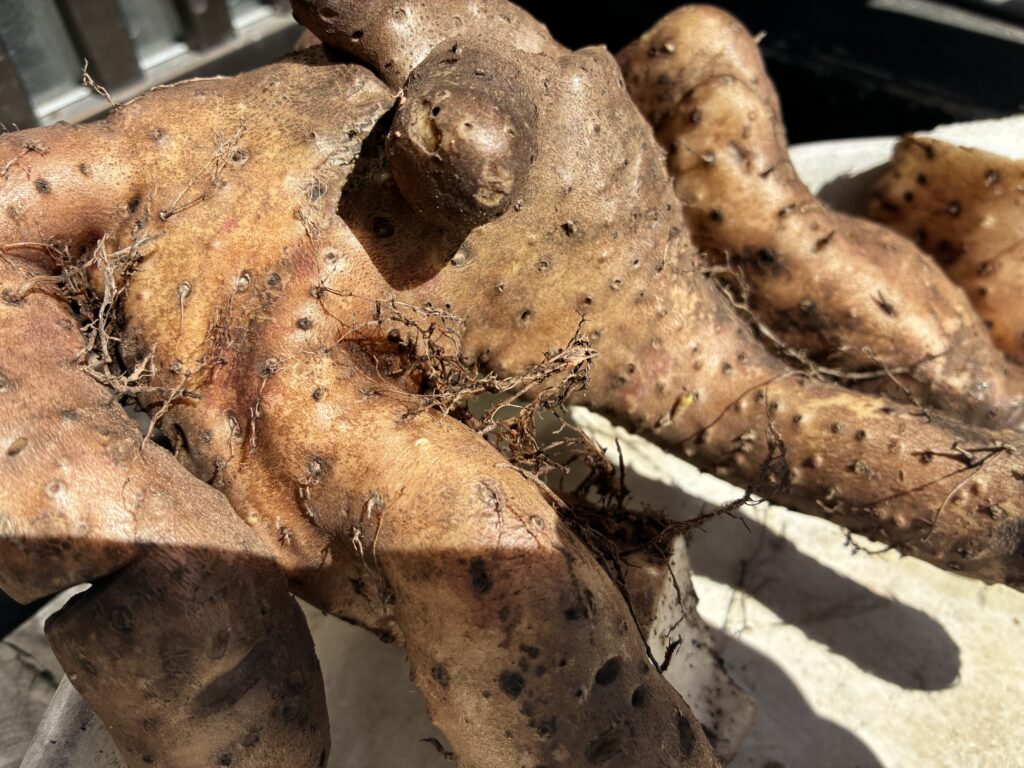
スイスチャードレッド、赤玉ねぎを育苗中。、山芋と渋甘柿の収穫期です。
無農薬を基本とした人に優しい小規模農業のくらし


22degreesでは、2022年春から千葉県大網白里市において、小規模な農業活動を継続しています。
地域の気候や自然環境を生かしながら、季節に応じてさまざまな野菜や果樹を栽培し、収穫した農産物の一部を地元の直売所を通じて販売しています。これまで小規模多品種栽培を試みています。
Agricultural Design とは。
農業を、自然・時間・選択・地域との関係を設計する行為として捉える
22degrees Digital Design Museumでは、千葉県大網白里市で継続している小規模農業の実践を「Agricultural Design」として記録しています。
ここでいうAgricultural Designは、農産物そのものの形をデザインすることを意味するものではありません。
何を育てるのか。
いつ種をまくのか。
その土地の気候や土、水、季節にどう向き合うのか。
多様な品種の中から何を選択するのか。
育った農産物をどのように地域へ届けるのか。
そして、その過程から何を観察し、記録し、次の栽培へつなげていくのか。
こうした一連の選択と関係性を、農業における「Design」として捉えています。
Small-Scale Agriculture in Oamishirasato, Chiba
千葉県大網白里市での小規模農業
地域の気候や自然環境を生かしながら、季節ごとにさまざまな野菜や果樹を栽培しています。
これまでに生産・販売してきた農産物には、ラディッキオ、カステルフランコ、ビーツ、スイスチャード、イタリアナスなどのイタリア野菜をはじめ、キウイフルーツ、リーフレタス、カブ、きゅうり、ミニトマトなどがあります。
その他にも、タマネギ、ニンジン、ゴーヤ、各種ナス、キュウリ、カブ、葉物野菜など、多様な品種の栽培を継続しています。
収穫した農産物の一部は、地域の直売所を通じて販売しています。
Diversity by Design
多様性を設計する
小規模農業だからこそ、一つの品種を大量に生産することだけを目的とせず、多様な品種を実際に育て、その土地との相性を確認することができます。
一般的な農産物に加え、日本では比較的目にする機会の少ないイタリア野菜や色・形・特徴の異なる品種も積極的に選択してきました。
種子の選択は、Agricultural Designにおける最初の重要なプロセスです。
一つの種を選ぶことは、その後に続く数か月の時間、土地との関係、天候への対応、成長の観察、収穫、そして食べる人との接点を選択することでもあります。
Agricultural Design Assets
農業実践を記録するアセット
Agricultural Designでは、農業活動から生まれる記録を「Agricultural Design Asset」として保存していきます。
対象となるのは、完成した農産物だけではありません。
・種子と品種の選択
・種まき
・発芽
・育苗
・畑への定植
・生育過程
・土壌や水との関係
・季節や気象による変化
・昆虫や植物など周囲の生態系
・収穫
・直売所を通じた地域への流通
・次の栽培につながる観察と記録
これらを一つの連続したデザインプロセスを大切にします。
Agricultural Design Asset 001
Seed Selection Archive
— Diversity of Crops in Oamishirasato, Chiba
最初のAgricultural Design Assetでは、これまで実際の栽培のために選択してきた種子を記録します。
保存されている種袋からは、イタリア系のラディッキオをはじめ、ビーツ、スイスチャード、タマネギ、カブ、キュウリ、ナス、ニンジン、ゴーヤ、パプリカやトウガラシ類など、多様な農産物を選択してきた過程を確認することができます。
この記録の主題は、種袋そのものではありません。
「何を育てるか」という選択が、その後の農業活動や地域との関係をどのようにつくっていったのかを記録するための資料として保存します。
From Seed to Community
種から地域へ
Agricultural Designは、畑の中だけで完結するものではありません。
選択した種を育て、収穫し、それを地域の直売所を通じて地域の消費者へ届けるところまでが、一つの流れです。
地域で育てた農産物を地域で手に取ってもらうこと、そして栽培している農産物やその特徴を継続的に紹介することによって、千葉県産農産物をより身近に知ってもらう機会をつくっていきます。
Observation, Memory and Continuity
観察・記録・継続
農業では、同じ場所、同じ品種、同じ方法であっても、毎年まったく同じ結果になるとは限りません。
気温、雨、日照、土壌、昆虫、植物同士の関係など、多くの要素が常に変化します。
その変化を観察し、記録し、次の季節へつなげることもAgricultural Designの重要な要素です。
成功した栽培だけではなく、成長の違い、環境の変化、予想外の出来事も含めて記録することで、小規模農業そのものを長期的なデザインの蓄積として保存していきます。
Local Agriculture and Chiba
本活動では、千葉県大網白里市で実際に生産している農産物とその栽培過程について、年間を通じて栽培・収穫時期等に合わせて随時情報を公開していきます。
農産物の生産、地域での販売、そして継続的な情報発信を通じて、千葉県産農産物の消費拡大、知名度向上及び地域農業の活性化につながる活動を進めます。
フード・アクション・ちば推進パートナーロゴマーク
利用許諾について
Document Status:
Public Record
許諾番号:
F304
団体名:
22degrees
申請日:
2026年9月11日
許諾日:
2026年9月15日
使用期間:
2026年9月15日 ~ 2026年12月31日
許諾機関:
フード・アクション・ちば推進事務局
千葉県農林水産部販売輸出戦略課
1.利用許諾
2026年9月15日、22degreesは、千葉県が推進する
「フード・アクション・ちば推進パートナーロゴマーク」について、
正式な利用許諾を受けました。
本許諾は、2026年9月11日に提出したロゴマーク利用申請に基づくものです。
許諾番号は「F304」です。
2.許諾された使用対象
今回の許諾における使用対象は、以下のとおりです。
・商品パッケージ
・販促資材
・Webサイト
22degreesでは、千葉県大網白里市で生産する農産物について、
商品包装への表示、直売所におけるPOP・チラシ等の販促資材、
およびAgricultural Design AssetsをはじめとするWeb上の情報発信に
ロゴマークを利用していきます。
3.ロゴマークの位置付け
フード・アクション・ちば推進パートナーロゴマークは、
千葉県産農林水産物の消費拡大及び知名度向上という
「フード・アクション・ちば」の趣旨に賛同し、
その趣旨に沿った活動を推進する意思を表明するためのマークです。
本ロゴマークは、個別商品の品質、原材料の県産比率その他の商品品質を
千葉県が認証又は保証することを意味するものではありません。
4.食品への表示
食品関連の商品等にロゴマークを使用する場合は、
ロゴマークと同一面上に、
「このマークは商品の品質を保証するものではありません」
等、千葉県の利用案内に定められた説明を表示します。
また、許諾番号「F304」を使用商品等に明示します。
5.利用期間
今回の利用許諾期間は、
2026年9月15日から2026年12月31日まで
です。
使用期間終了後も継続してロゴマークを利用する場合は、
千葉県が定める手続に従い、継続利用の申請を行います。
6.関連する農業活動
22degreesは、千葉県大網白里市において小規模農業を行っています。
ラディッキオ、カステルフランコ、ビーツ、スイスチャード、
イタリアナス、キウイフルーツ、リーフレタス、カブ、きゅうり、
ミニトマト等を栽培し、一部を地域の直売所を通じて販売しています。
農産物の生産・販売及び継続的な情報発信を通じて、
千葉県産農産物の消費拡大と知名度向上につながる活動を進めます。
7.関連公開ページ
Agricultural Design Assets
https://ruma22degrees.com/?page_id=3716
8.公式確認資料
・フード・アクション・ちば推進パートナーロゴマークの利用について(通知)
2026年9月15日
許諾番号 F304
・フード・アクション・ちば推進パートナーロゴマーク利用案内
© 2026 22degrees. All Rights Reserved.
PUBLIC REGISTRY RECORD
Authorization to Use the
Food Action Chiba Promotion Partner Logo
Document Status:
Public Record
Authorization Number:
F304
Registered Entity:
22degrees
Application Date:
September 11, 2026
Authorization Date:
September 15, 2026
Authorized Use Period:
September 15, 2026 – December 31, 2026
Authorizing Body:
Food Action Chiba Promotion Secretariat
Sales and Export Strategy Division
Department of Agriculture, Forestry and Fisheries
Chiba Prefecture, Japan
- Authorization
On September 15, 2026, 22degrees received formal authorization to use the “Food Action Chiba Promotion Partner Logo,” an initiative promoted by Chiba Prefecture.
This authorization was granted based on the logo-use application submitted on September 11, 2026.
The authorization number is:
F304
- Authorized Uses
The approved categories of use are:
- Product packaging
- Promotional materials
- Websites
22degrees intends to use the logo in connection with agricultural products produced in Oamishirasato City, Chiba Prefecture, including product packaging, point-of-sale displays and flyers at local direct-sales outlets, and online communications such as the Agricultural Design Assets page.
- Positioning of the Logo
The Food Action Chiba Promotion Partner Logo is intended to express that a registered Promotion Partner supports the purpose of Food Action Chiba and actively promotes activities consistent with its objective of increasing consumption and public awareness of agricultural, forestry, and fishery products from Chiba Prefecture.
The logo does not certify or guarantee the quality of any individual product, the proportion of Chiba-produced ingredients, or any other product characteristic.
- Display on Food Products
When the logo is used on food-related products, explanatory wording required by Chiba Prefecture will be displayed on the same surface as the logo.
Such wording may include:
“This mark does not guarantee the quality of the product.”
Authorization number F304 will also be displayed on the relevant products and materials in accordance with the authorization conditions.
- Authorized Use Period
The current authorization period is:
September 15, 2026 through December 31, 2026.
If 22degrees wishes to continue using the logo after the end of this period, a renewal application will be submitted in accordance with the procedures established by Chiba Prefecture.
- Related Agricultural Activities
22degrees conducts small-scale agricultural activities in Oamishirasato City, Chiba Prefecture.
Crops cultivated include radicchio, Castelfranco, beets, Swiss chard, Italian eggplants, kiwifruit, leaf lettuce, turnips, cucumbers, cherry tomatoes, and other seasonal agricultural products.
A portion of the harvested produce is sold through local direct-sales outlets.
Through agricultural production, local sales, and ongoing public communication, 22degrees will continue activities intended to contribute to greater consumption and public awareness of agricultural products produced in Chiba Prefecture.
- Related Public Page
Agricultural Design Assets
https://ruma22degrees.com/?page_id=3716
- Official Reference Documents
- Notice Regarding Use of the Food Action Chiba Promotion Partner Logo
September 15, 2026
Authorization No. F304 - Food Action Chiba Promotion Partner Logo Usage Guidelines
© 2026 22degrees. All Rights Reserved.
Food Action Chiba Promotion Partner Registration
フード・アクション・ちば推進パートナー登録
Registration Status: Approved
Registration Number: F304
Registered Name: 22degrees
Application Date: September 5, 2026
Approval Date: September 10, 2026
Issuing / Administrative Authority:
Food Action Chiba Promotion Secretariat
Sales and Export Strategy Division
Department of Agriculture, Forestry and Fisheries
Chiba Prefecture, Japan
- Registration
On September 10, 2026, 22degrees was formally approved and registered as a “Food Action Chiba Promotion Partner” by the Food Action Chiba Promotion Secretariat of Chiba Prefecture.
The registration was granted in response to the application submitted on September 5, 2026.
The official registration number assigned to 22degrees is:
F304
- Purpose of the Program
“Food Action Chiba” is an initiative promoted by Chiba Prefecture to encourage wider consumption and greater public awareness of agricultural, forestry and fishery products produced in Chiba Prefecture.
The initiative encourages cooperation among producers, businesses, organizations, municipalities and other participants in promoting Chiba-produced food and strengthening connections between local production and consumption.
- Registered Activities of 22degrees
22degrees conducts small-scale agricultural activities in Oamishirasato City, Chiba Prefecture.
The registered activities include:
— Promotion of the production of agricultural, forestry and fishery products from Chiba Prefecture
— Promotion of the sale of agricultural, forestry and fishery products from Chiba Prefecture and products using them
Agricultural products cultivated through these activities include radicchio, Castelfranco, beets, Swiss chard, Italian eggplants, kiwifruit, leaf lettuce, turnips, cucumbers, cherry tomatoes and other seasonal crops.
A portion of the harvested produce is sold through local direct-sales outlets.
22degrees also publishes information on cultivation, crop selection, seasonal growth, harvesting and local distribution through its Agricultural Design Assets activities.
Agricultural Design Assets:
https://ruma22degrees.com/?page_id=3716
Information is updated throughout the year in accordance with cultivation seasons, harvesting periods and other agricultural activities.
- Administrative and Legal Context
The direct administrative framework for this registration is the “Food Action Chiba Promotion Partner Rules” established by Chiba Prefecture.
The Rules define participation eligibility, registration procedures, eligible activities, registration status and related obligations of Promotion Partners.
At the broader statutory and policy level, Chiba Prefecture has designated the “Chiba Prefecture Agriculture, Forestry and Fisheries Promotion Plan” as its Local Production for Local Consumption Promotion Plan under Article 41, Paragraph 1 of the Act on Promotion of New Business Activities by Farmers, Foresters and Fishers Using Local Resources and Promotion of Use of Local Agricultural, Forestry and Fishery Products (Act No. 67 of 2010).
The current Chiba Prefecture Agriculture, Forestry and Fisheries Promotion Plan also places strategic sales promotion, branding and the creation and expansion of demand for agricultural, forestry and fishery products among its principal policy measures.
Accordingly, the Food Action Chiba Promotion Partner registration should be understood as a Chiba Prefecture administrative partnership program operating within this broader framework for the promotion, consumption and recognition of locally produced agricultural, forestry and fishery products.
This registration is not itself a statutory certification under Act No. 67 of 2010 and should not be interpreted as a certification or guarantee by Chiba Prefecture of the quality of individual products.
- Official Record
Registration Number:
F304
Registered Entity:
22degrees
Application Date:
September 5, 2026
Approval Date:
September 10, 2026
Registration Authority:
Food Action Chiba Promotion Secretariat
Chiba Prefecture Department of Agriculture, Forestry and Fisheries
- Source Documents
— Notice of Registration as a Food Action Chiba Promotion Partner
Issued September 10, 2026
Registration No. F304
— Food Action Chiba Promotion Partner Rules
— Chiba Prefecture Local Production for Local Consumption Promotion Plan
— Chiba Prefecture Agriculture, Forestry and Fisheries Promotion Plan
© 2026 22degrees. All Rights Reserved.
────────────────────────────
公開登録記録
フード・アクション・ちば推進パートナー登録
登録状況:承認・登録完了
登録番号:F304
登録名義:22degrees
申請日:2026年9月5日
承認日:2026年9月10日
登録・運営機関:
フード・アクション・ちば推進事務局
千葉県農林水産部販売輸出戦略課
1.登録
2026年9月10日、22degreesは、千葉県フード・アクション・ちば推進事務局により「フード・アクション・ちば推進パートナー」として正式に承認・登録されました。
本登録は、2026年9月5日に行った登録申請に基づくものです。
22degreesに付与された登録番号は、以下のとおりです。
F304
2.制度の目的
「フード・アクション・ちば」は、千葉県産農林水産物のより一層の消費拡大及び知名度向上を図ることを目的として、千葉県が推進する取組です。
県産農林水産物の生産、販売、消費及び情報発信等を通じ、生産者、企業、団体、市町村その他の主体が連携し、地域の農林水産物の利用促進につなげることを目的としています。
3.22degreesの登録活動
22degreesは、千葉県大網白里市において小規模農業を継続しています。
今回登録された主な活動は、
・県産農林水産物の生産を推進する活動
・県産農林水産物及びそれを使用した商品の販売を推進する活動
です。
これまで、ラディッキオ、カステルフランコ、ビーツ、スイスチャード、イタリアナスなどのイタリア野菜をはじめ、キウイフルーツ、リーフレタス、カブ、きゅうり、ミニトマトその他の季節農産物を栽培してきました。
収穫した農産物の一部は、地域の直売所を通じて販売しています。
また、22degreesでは「Agricultural Design Assets」を通じて、栽培品種の選択、種まき、生育、収穫、季節変化、地域への流通等について記録・公開しています。
Agricultural Design Assets:
https://ruma22degrees.com/?page_id=3716
農産物の栽培・収穫時期や季節に合わせ、年間を通じて随時情報を更新し、千葉県産農産物を知り、実際に手に取っていただく機会の拡大につなげていきます。
4.制度上及び法令・政策上の位置付け
本登録制度の直接的な運用根拠は、千葉県が定める「フード・アクション・ちば推進パートナー規約」です。
同規約により、参加対象、申請・登録手続、活動内容、登録期間その他推進パートナーが遵守すべき事項が定められています。
さらに、その上位にある法令・政策体系として、千葉県は、
「地域資源を活用した農林漁業者等による新事業の創出等及び地域の農林水産物の利用促進に関する法律」
(平成22年法律第67号)
第41条第1項に基づく「地産地消促進計画」として、「千葉県農林水産業振興計画」を位置付けています。
現在の千葉県農林水産業振興計画においても、「需要を捉えた販売力の強化と輸出促進」を基本施策の一つとし、「戦略的な販売促進とブランディングの強化」「地域資源を活用した需要の創出・拡大」等が施策として位置付けられています。
したがって、「フード・アクション・ちば推進パートナー」は、千葉県が県産農林水産物の消費拡大及び知名度向上を推進するために設けている行政上のパートナー登録制度であり、地域農林水産物の利用促進に関する国及び千葉県のより広い政策体系の中に位置付けられる取組です。
なお、本登録は、平成22年法律第67号そのものに基づく法定認定ではなく、また、千葉県が個別の農産物の品質を認証又は保証するものではありません。
5.公式登録記録
登録番号:
F304
登録名義:
22degrees
申請日:
2026年9月5日
承認日:
2026年9月10日
登録機関:
フード・アクション・ちば推進事務局
千葉県農林水産部
6.根拠・確認資料
・フード・アクション・ちば推進パートナーの登録について(通知)
2026年9月10日
登録番号 F304
・フード・アクション・ちば推進パートナー規約
・千葉県地産地消促進計画
・千葉県農林水産業振興計画
© 2026 22degrees. All Rights Reserved.
Food Action Chiba
2026年9月5日、千葉県が推進する「フード・アクション・ちば推進パートナー」について、新規登録申請を行いました。
現在は登録手続中であり、本記載は千葉県による登録完了または承認を示すものではありません。
登録手続完了できた後は、制度の趣旨に沿って本ページ及びAgricultural Design Assetsを通じ、季節に応じた情報発信を継続していきます。
22degrees Digital Design Museum
Agricultural Design
Location:
Oamishirasato, Chiba, Japan
Established:
2026
Update:
Updated throughout the year according to cultivation and harvest seasons.
© 2026 22degrees. All Rights Reserved.
赤玉ねぎの発芽と育苗開始
2026年9月24日
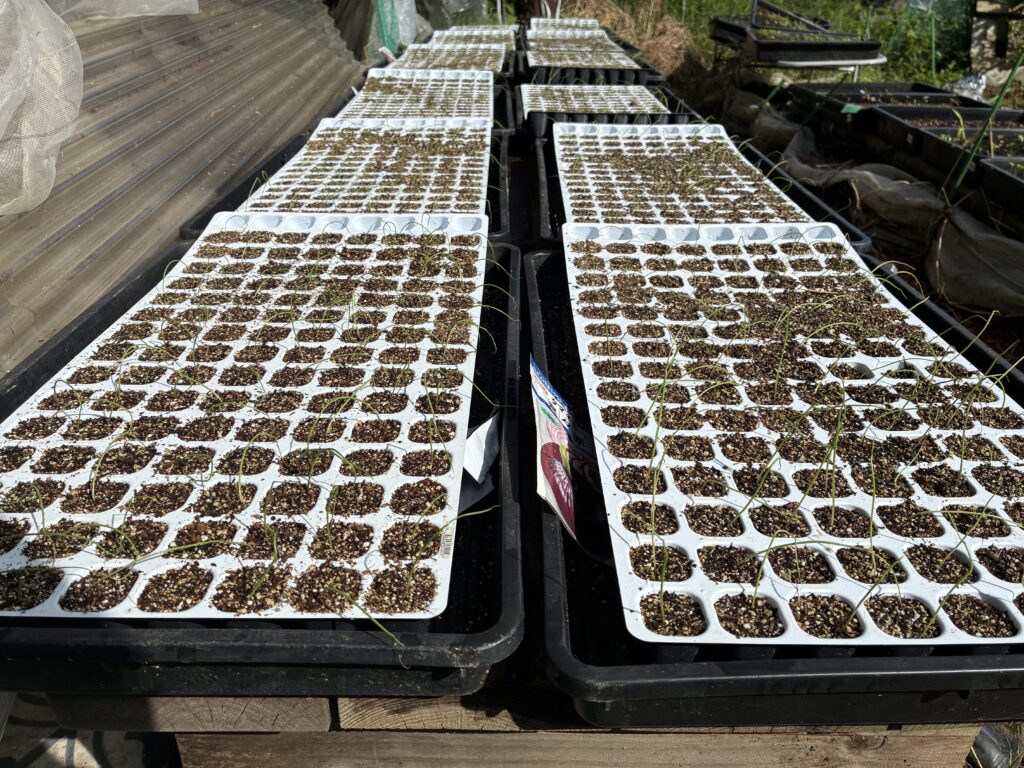
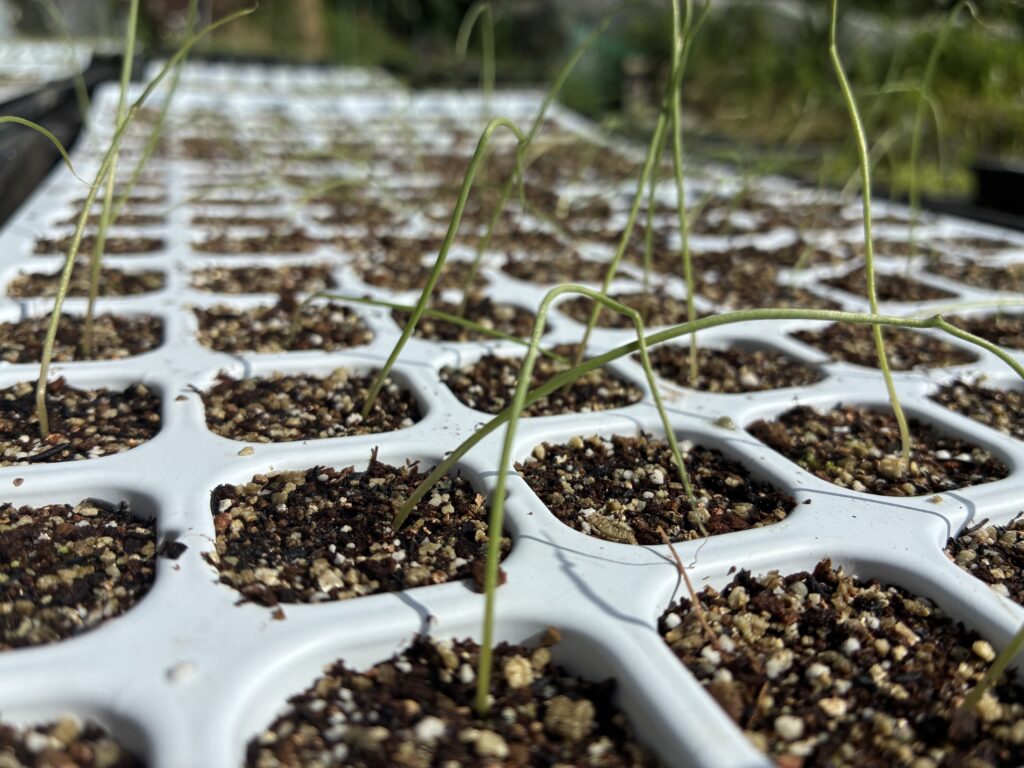
9月12日に播種した赤玉ねぎが、ほぼ揃って発芽しました。
播種から12日。
苗は現在、およそ4〜5cmまで成長しています。
ここからは、11月中旬の畑への定植を目標に、本格的な育苗管理に入ります。
今後は苗の状態を観察しながら適切な肥培管理を行い、徒長させず、できるだけ充実した丈夫な苗に育てていきます。
現在の懸念点は日照です。
このところ曇りの日が多く、育苗期に必要な日照時間を十分に確保できるかを注意して見ています。
昨年は購入苗を12月初旬に定植し、収穫時に小玉が多くなるという課題が残りました。
今年はその経験を踏まえ、種から自分たちで育苗し、昨年より早い11月中旬の定植を計画しています。
播種、発芽、育苗、定植、越冬、そして来年6月の収穫へ。
一つひとつの変化を記録しながら、前年の経験を次の栽培へ生かしていきます。
播種:2026年9月12日
発芽確認・育苗開始:2026年9月24日
現在の草丈:約4〜5cm
定植予定:2026年11月中旬
収穫予定:2027年6月
Chiba, Japan
22degrees
Agricultural Design Assets
Food Partner Chiba Activities
© 22degrees. All Rights Reserved.
Red Onion Germination and the Beginning of Seedling Growth
September 24, 2026
The red onions sown on September 12 have now germinated successfully.
Twelve days after sowing, the seedlings have grown to approximately 4–5 cm in height.
From this stage, careful seedling management begins, with the goal of transplanting them into the field in mid-November.
We will continue to monitor their growth while managing nutrition and moisture carefully, with particular attention to preventing excessive elongation and developing strong, well-established seedlings.
One concern at present is sunlight.
There have been many cloudy days recently, so we are closely monitoring whether the seedlings will receive sufficient sunlight during this important growing period.
Last year, purchased seedlings were transplanted in early December, but many of the harvested onions remained relatively small.
Based on that experience, this year we decided to grow the seedlings ourselves from seed and aim for an earlier transplanting period in mid-November.
Sowing, germination, seedling growth, transplanting, overwintering, and finally harvest next June.
By documenting each stage, we continue to learn from the previous season and apply that experience to the next cultivation cycle.
Sowing: September 12, 2026
Germination / Seedling Stage: September 24, 2026
Current Seedling Height: Approx. 4–5 cm
Planned Transplanting: Mid-November 2026
Planned Harvest: June 2027
Chiba, Japan
22degrees
Agricultural Design Assets
Food Partner Chiba Activities
© 22degrees. All Rights Reserved.
Agricultural Design Assets
播種・育苗記録 — 2026年9月19日
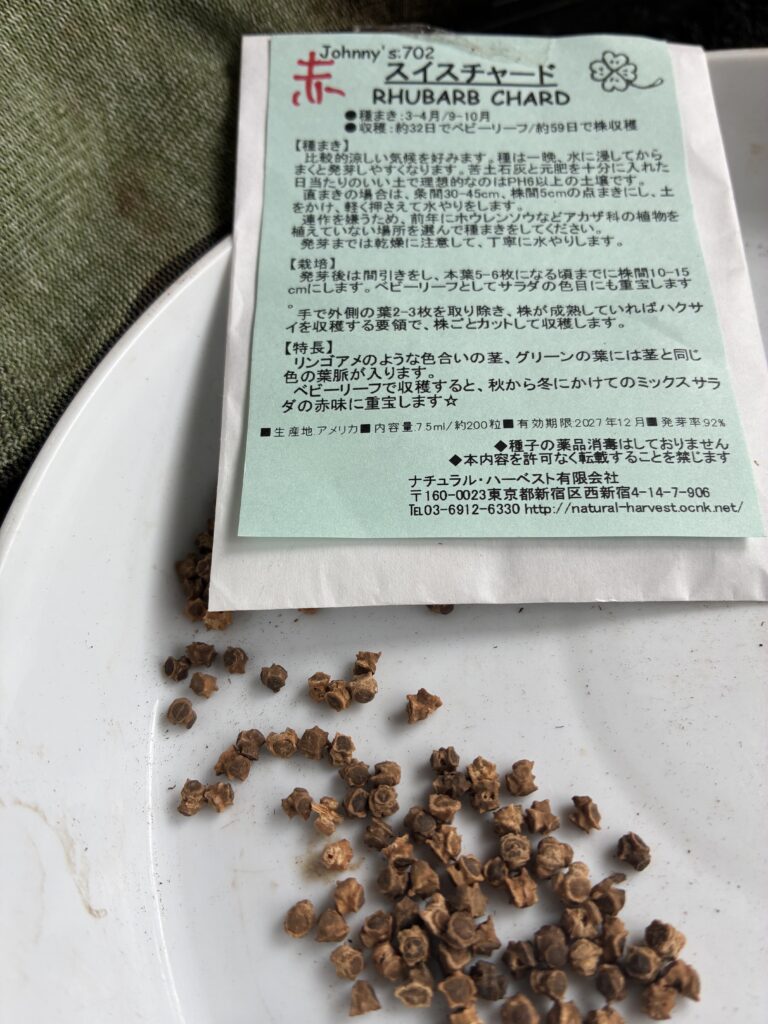
2026年9月19日、赤い葉柄が特徴のスイスチャード「Rhubarb Chard(ルバーブチャード)」の播種を行いました。
今回は育苗トレイ3トレイに播種しました。
スイスチャードやビーツの種子は、硬い果皮に包まれているため、発芽までの水分管理が重要になります。
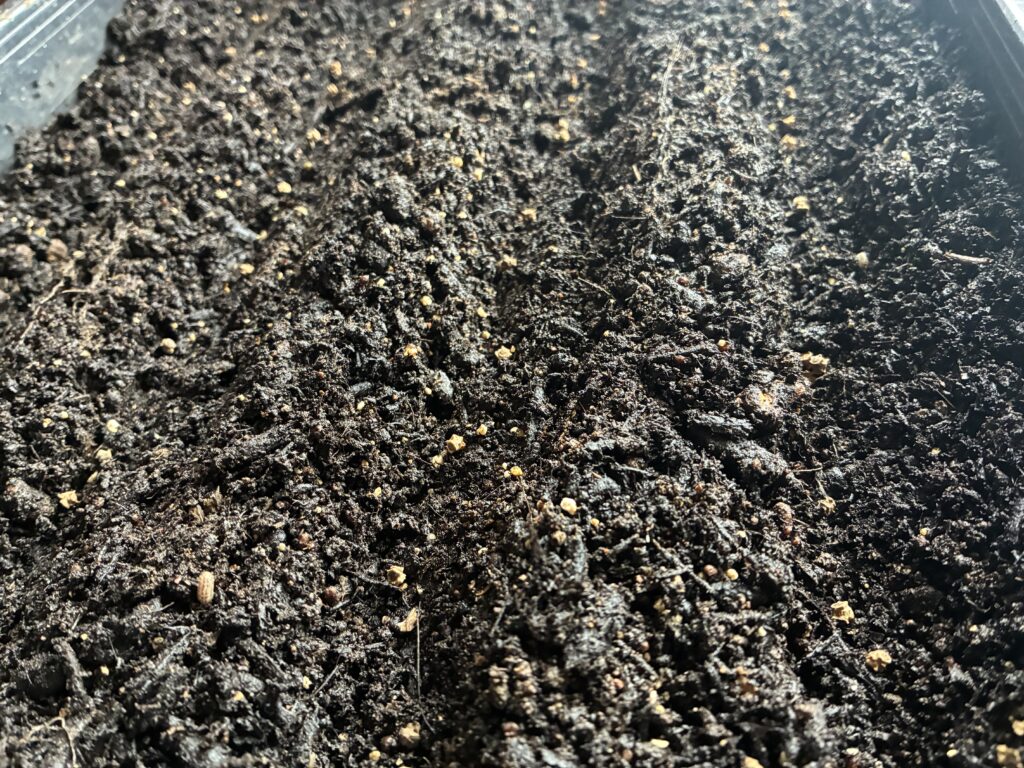
今回の播種では、種子周辺の水分を安定して保つため、木質系で保水性のあるバーク堆肥を種子の周辺に使用しました。種子の周囲が乾燥しすぎない環境をつくり、発芽を促すことを目的とした栽培上の工夫です。
順調に進めば、播種後約7〜10日での発芽を見込んでいます。
また、9月19日以降は台風の影響による強い雨が予想されるため、播種直後のトレイに強い雨が直接当たらない場所へ移し、雨がかりを避けて管理しています。
発芽後は、生育状況を確認しながら順次間引きを行います。本葉が3〜4枚程度になるまでトレイ内で育苗し、十分な大きさの定植苗になった段階で畑へ定植する予定です。
種袋の栽培目安では、ベビーリーフとしては播種後約32日、株としては約59日での収穫が示されています。
今回の栽培では、播種からおよそ45〜60日を一つの収穫目安とします。生育が順調であれば、株を抜き取って一度に収穫するのではなく、成長した外葉から順次かき取る方法で収穫を開始します。
まず実際に収穫した葉を自家試食し、食味、葉の柔らかさ、色、サイズなどを確認します。その後、安定した品質と十分な収穫量を確保できた場合には、直売所への出荷を開始する予定です。
赤い葉柄と濃い緑色の葉を持つスイスチャードは、収穫物としての色彩的な特徴も強く、今後は発芽率、生育速度、収穫量、食味、連続的な外葉収穫への適性などを記録していきます。
22degrees
Agricultural Design Assets
© 2026 22degrees. All Rights Reserved.
Agricultural Design Assets
Sowing & Seedling Record — September 19, 2026
On September 19, 2026, we sowed seeds of red Swiss chard, “Rhubarb Chard,” a variety characterized by its vivid red stems and deep green leaves.
A total of three seedling trays were sown.
Swiss chard and beet seeds are enclosed in relatively hard seed structures, making consistent moisture management particularly important during germination.
For this sowing, we used bark compost, a soft, moisture-retentive woody material, around the seeds. This was intended to maintain slightly higher and more stable moisture levels immediately around the seeds and prevent them from drying out during the germination period.
Under favorable conditions, germination is expected approximately 7–10 days after sowing.
As a typhoon is approaching from September 19, the newly sown trays are being kept in a protected location where they will not be directly exposed to heavy rainfall. This is intended to prevent strong rain from disturbing the growing medium or damaging the seeds during the critical early germination stage.
After germination, the seedlings will be gradually thinned as they develop. They will remain in the trays until they have approximately three to four true leaves and have developed into sufficiently strong seedlings for transplanting.
Once they reach transplanting size, they will be moved from the seedling trays to the field for further cultivation.
According to the information provided with the seeds, Rhubarb Chard can be harvested as baby leaves approximately 32 days after sowing, while full plants can reach harvest stage in approximately 59 days.
For this cultivation cycle, the initial harvest target is approximately 45–60 days after sowing, depending on actual growing conditions.
Rather than harvesting the entire plant at once, mature outer leaves will be harvested progressively, allowing the plants to continue producing new leaves.
The first harvest will be evaluated through our own tasting, including flavor, tenderness, color, size, and overall quality. If the plants subsequently produce sufficient volume and consistent quality for sale, harvesting will be expanded for shipment to a local farmers’ market.
Throughout this cultivation cycle, we will continue recording germination performance, growth rate, leaf quality, yield, and the plants’ suitability for repeated outer-leaf harvesting.
22degrees
Agricultural Design Assets
© 2026 22degrees. All Rights Reserved.
Agricultural Design Assets
収穫・出荷記録 — 2026年9月18日
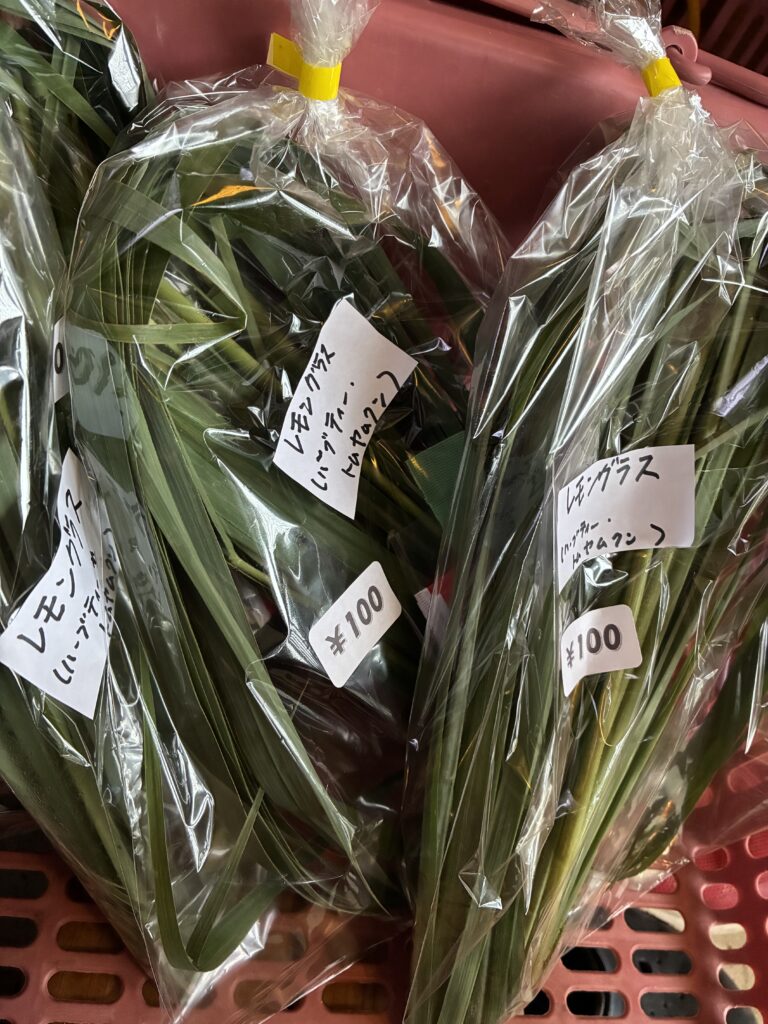
2026年9月18日、栽培しているレモングラスの今季最後の収穫を行い、直売所へ出荷しました。
レモングラスは、爽やかな柑橘系の香りを持つハーブで、ハーブティーとして利用されるほか、タイ料理を代表するスープ「トムヤムクン」に欠かせない香味素材の一つとして利用されています。
今回は、収穫したレモングラスを葉の長さを生かした状態で束にし、1袋100円で販売しました。
レモングラスは高温期に旺盛に生育する多年草ですが、寒さには弱いため、当地では秋以降、冬越しに向けた管理が必要になります。
今回を今季最後の収穫・出荷とし、この後は株を刈り戻して養生し、冬越しに向けた準備に入ります。
春から再び生育を開始させ、次の栽培・収穫シーズンへつなげていきます。
今回の出荷をもって、2026年のレモングラスの収穫・出荷サイクルを終了します。
22degrees
Agricultural Design Assets
© 2026 22degrees. All Rights Reserved.
Agricultural Design Assets
Harvest & Shipment Record — September 18, 2026
On September 18, 2026, we carried out the final lemongrass harvest of the season and shipped the freshly harvested leaves to a local farmers’ market.
Lemongrass is an aromatic herb known for its fresh citrus fragrance. It is widely used for herbal tea and is also an essential aromatic ingredient in Tom Yum Goong, one of Thailand’s best-known soups.
For this shipment, the freshly harvested lemongrass was bundled while retaining the natural length of the leaves and offered for sale at ¥100 per bag.
Lemongrass is a perennial plant that grows vigorously during the warm season but is sensitive to cold temperatures. As temperatures begin to fall, the plants require preparation and protection for overwintering.
This harvest marks the final harvest and shipment of the 2026 season. After harvesting, the plants will be cut back and allowed to recover before entering their winter dormancy period.
The plants will be maintained through the winter in preparation for renewed growth in spring and the beginning of the next cultivation and harvest cycle.
With this shipment, the 2026 lemongrass harvest and shipment cycle is complete.
22degrees
Agricultural Design Assets
© 2026 22degrees. All Rights Reserved.
Agricultural Design Assets
栽培活動記録 — 2026年9月13日
2026年9月13日、秋から冬にかけての栽培・出荷に向け、新たな播種作業を実施しました。
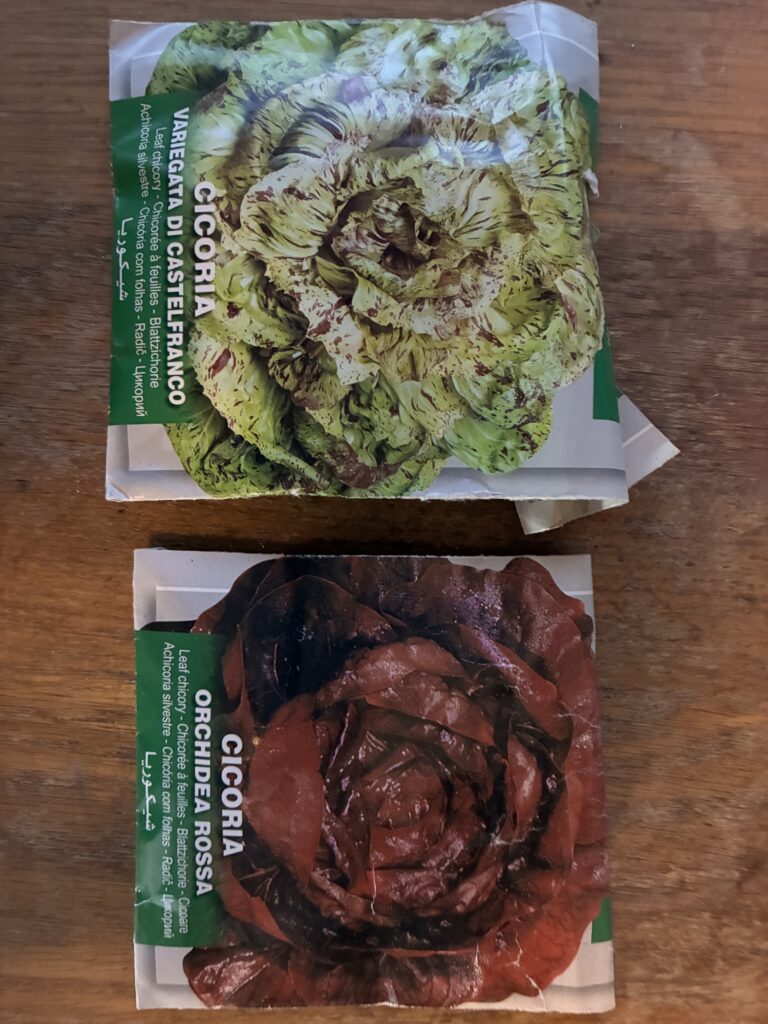
今回播種したのは、ラディッキオ2品種、リーフレタス、赤紫色のラディッシュを中心とする以下の品種です。
・ラディッキオ「Variegata di Castelfranco(チコリア・バリエガータ・ディ・カステルフランコ)」
・ラディッキオ「Cicoria Orchidea Rossa(チコリア・オルキデア・ロッサ)」
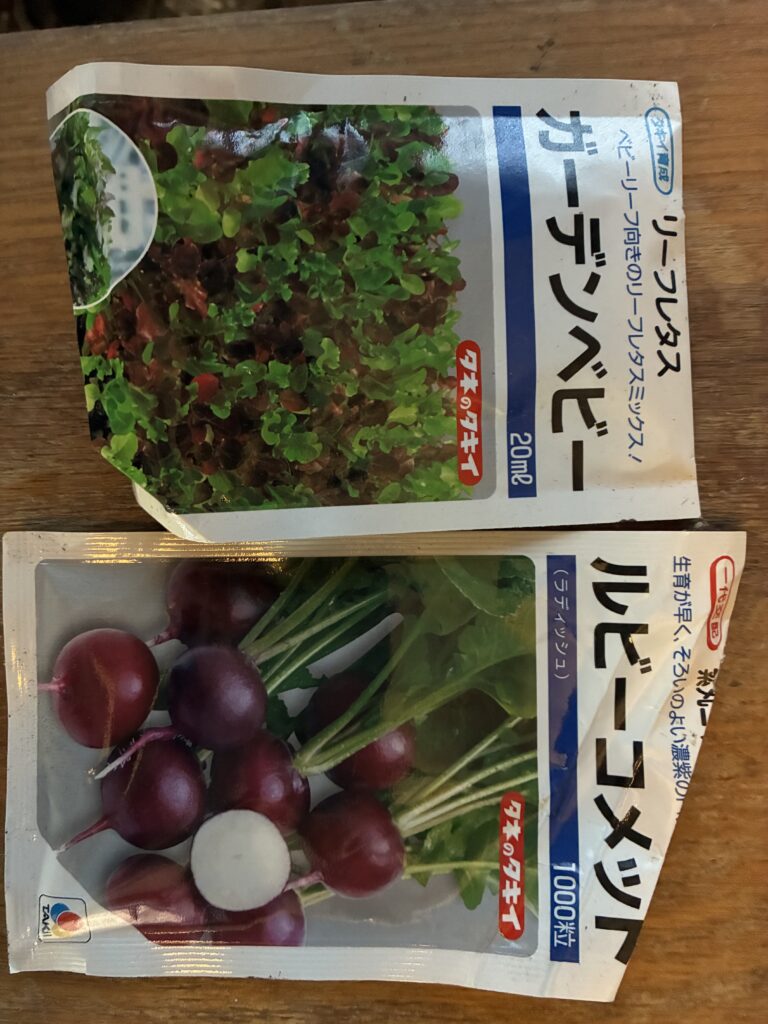
・リーフレタス「ガーデンベビー」
・ラディッシュ「ルビーコメット」
今回、これらの品種について、合計8トレイへの播種を行いました。
ラディッキオは、色彩や葉の模様が大きく異なる2品種を栽培します。
Variegata di Castelfrancoは、淡いクリーム色から黄緑色の葉に赤紫色の斑が現れる特徴的な品種です。
一方、Cicoria Orchidea Rossaは、濃い赤色から赤紫色の葉を形成するタイプで、両品種の生育過程や収穫時の形態・色彩の違いも観察していきます。
「ガーデンベビー」は、ベビーリーフ向けのリーフレタスミックスとして栽培し、比較的短い栽培サイクルでの収穫・出荷を予定しています。
「ルビーコメット」は鮮やかな赤紫色を特徴とするラディッシュで、生育速度を確認しながら順次収穫を行います。
今回の播種は、単一時期に一括収穫するのではなく、秋から冬にかけて継続的に農産物を収穫・出荷できる栽培サイクルを形成する取り組みの一部です。
今後は、発芽状況、育苗中の生育差、定植・間引き、収穫時期などを継続して記録し、各品種について実際の栽培データを蓄積していきます。
22degrees
Agricultural Design Assets
© 2026 22degrees. All Rights Reserved.
赤玉ねぎの播種を行いました
2026年9月12日
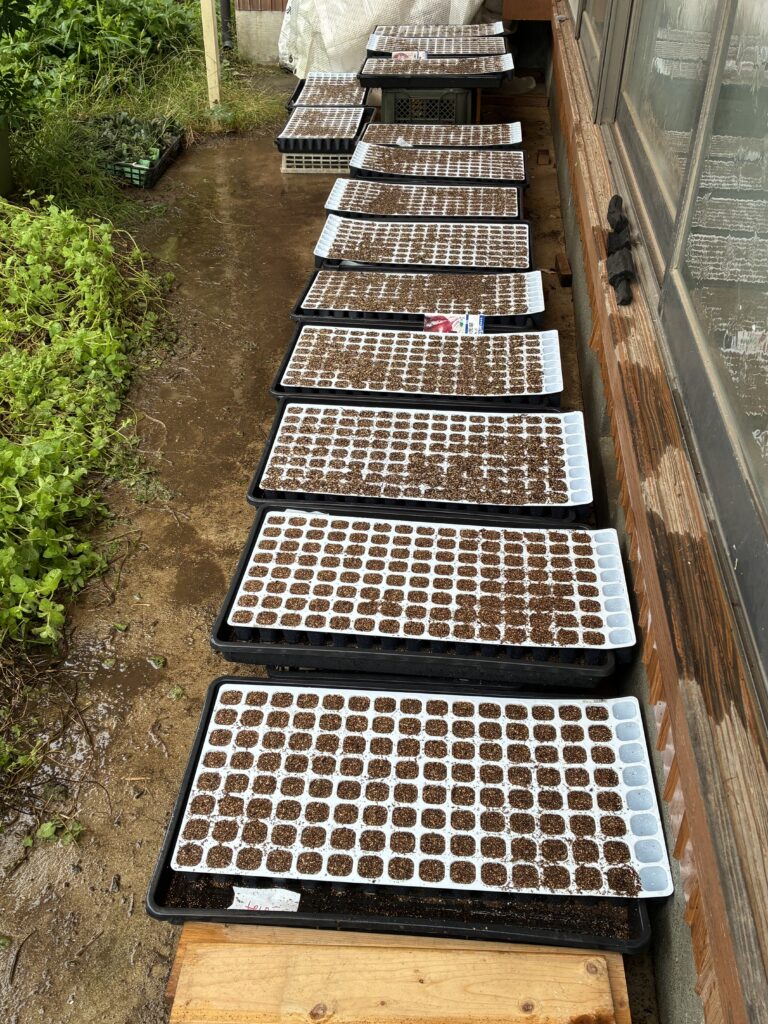
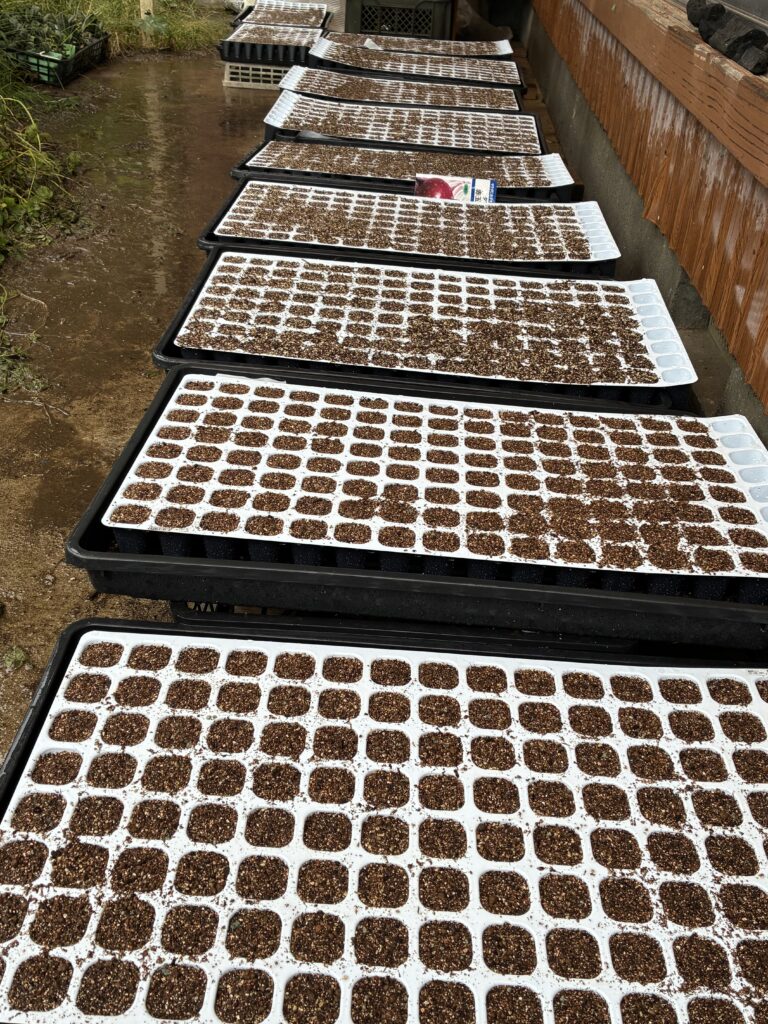
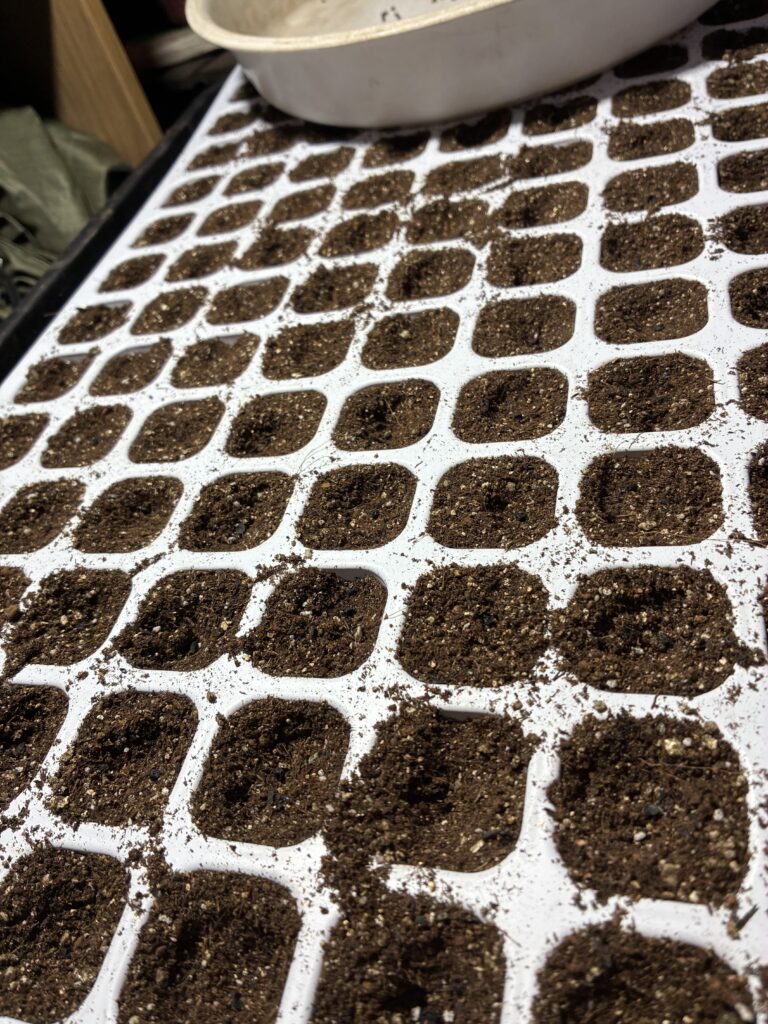
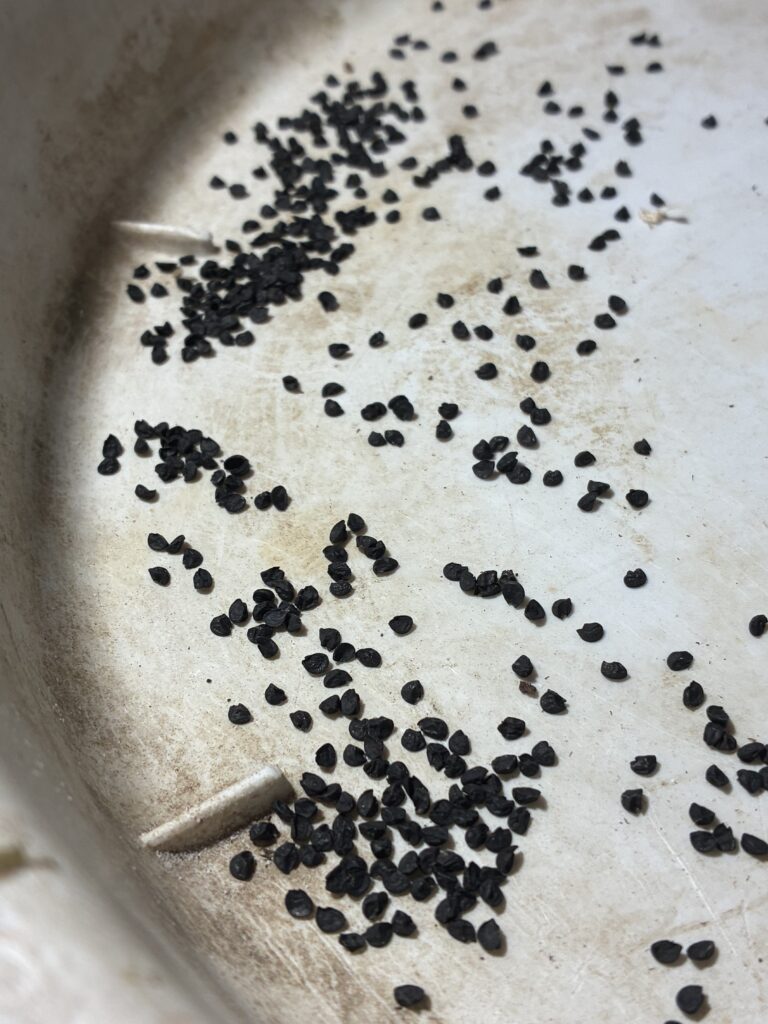
2026年9月12日、来年6月の収穫に向けて、赤玉ねぎの播種を行いました。
今年栽培するのは、耐病性を備えた2品種です。
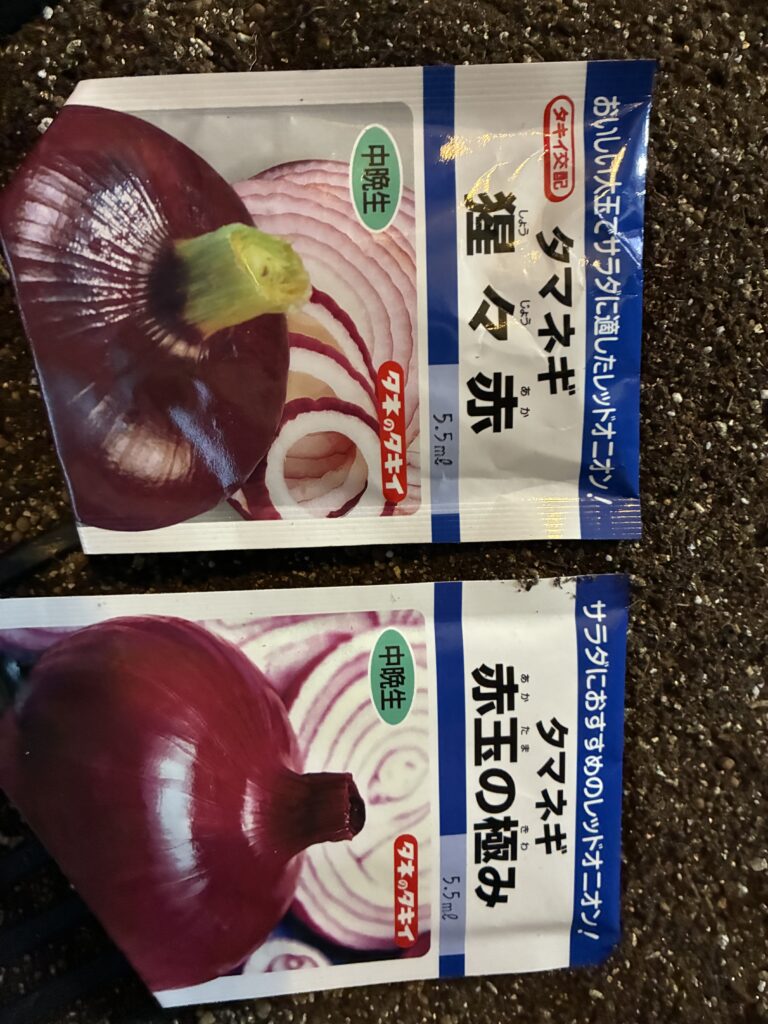
「赤玉の極み」と、もう1品種の赤玉ねぎを、128穴の育苗トレーに播種しました。
今回の赤玉ねぎ栽培では、播種からおよそ55日間、自分たちで苗を育てます。
まず今後10〜12日ほどを目安に発芽を見守り、発芽後は水分、日照、肥培管理、病害などに注意しながら育苗を続けます。
十分に育った苗は、11月中旬を目標に畑へ定植し、冬を越して、2027年6月頃の収穫を予定しています。
赤玉ねぎの栽培は、今年で4年目になります。
昨年は購入苗を使用し、12月5日頃に定植しましたが、最終的に玉が十分に大きくならないという課題が残りました。
そこで今年は、その経験を次の栽培に生かします。
苗を購入するのではなく、9月から自分たちで種をまき、約55日間かけてできるだけ充実した苗を育て、昨年より早い11月中旬に定植する計画です。
農業では、毎年同じように栽培しても、気温、雨、日照、病害虫などの条件によって結果は変わります。
前年の結果を記録し、原因を考え、翌年の栽培方法を変えていく。
今年の赤玉ねぎ栽培も、昨年の経験から始まる新しい試みです。
播種
2026年9月12日
育苗期間
約55日
定植予定
2026年11月中旬
収穫予定
2027年6月
Location
Chiba, Japan
22degrees
Agricultural Design Assets
Food Partner Chiba Activities
© 22degrees. All Rights Reserved.